

Fortezza di Montalcino
Last updated on October 14, 2026Why visit Fortezza di Montalcino
This is where the Republic of Siena ended. After Siena itself surrendered on 17 April 1555, part of the Sienese withdrew behind these walls and declared the Repubblica di Siena riparata in Montalcino — the republic sheltered at Montalcino — and held out until 31 July 1559. For four years a Tuscan hill town was a sovereign state, because of this building.
It is also a better piece of military architecture than it looks. Begun in 1361 and finished in 1368 by two named Sienese architects, it was given a pentagonal plan with a tower at every angle — unprecedented for its date, when fortifications were square — and it simply swallowed what was already on the site, including the left nave of a basilica.
Walk the cammino di ronda round the whole perimeter and look down at the sloping scarp. Stones dropped through the machicolations hit that slope and turned horizontal, scything along the base of the wall into whoever was standing there. The wall is a weapon, and you can see how.
The friction: no hours or price are published by the comune or any operator, so arrive early and be ready to find it shut.
Quick facts
- Type: Castle, Historic Place
- Local name: Fortezza di Montalcino (vedi la pagina italiana)
- Built: Begun 1361, completed 1368
- Built for: The Republic of Siena
- Designed by: Mino Foresi and Domenico di Feo
- Architectural style: Medieval military, pentagonal plan
Visit responsibly
Stay off the parapet edge and out of the machicolations. The wall-walk runs the whole perimeter of a hilltop fortress and the openings in the parapet floor are there to drop things through. They are not viewing holes, and leaning into one over a scarped wall is the single most dangerous thing available here.
Do not climb on the scarp. The battered base is the most informative surface on the building and the most tempting to scramble up for a photograph. It is also, by design, a slope that sheds things.
Treat the chapel and the surviving nave as what they are. The left nave of the basilica of San Egidio is inside these walls because the fortress was built around it, and there is a chapel against the north wall. They are the oldest fabric on the site and they were religious buildings before they were military ones.
Buy wine in the enoteca inside rather than only using the view. The fortress carries an enoteca within its walls, and spending there puts money into the building you are standing in and into the growers whose appellation made the town — and it is the one tasting in Montalcino that requires no car at all.
Leave the holm-oak garden as a garden. The small park on the bastione di San Giovanni is planted with the tree that probably gave Montalcino its name. It is a public green space on a 16th-century bastion, used by residents, not an overflow picnic ground for the fortress.
Walk up. The fortress is at the top of the town and the climb through Montalcino is short. There is no good reason to drive to it.
Where it is
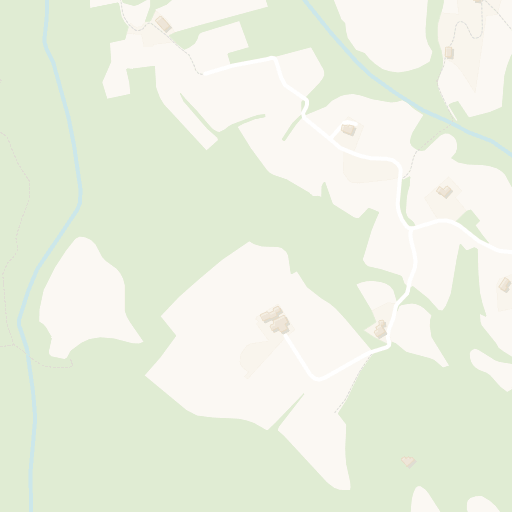
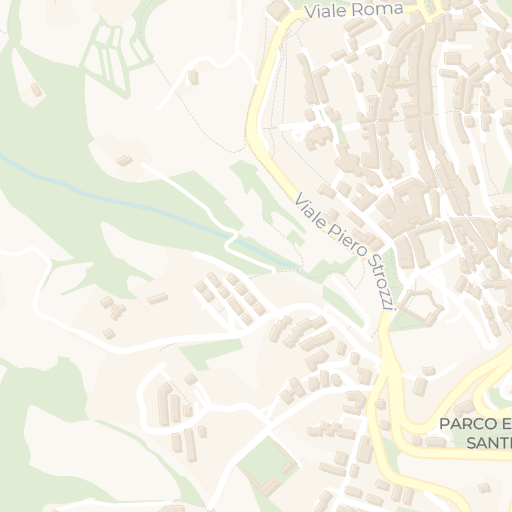
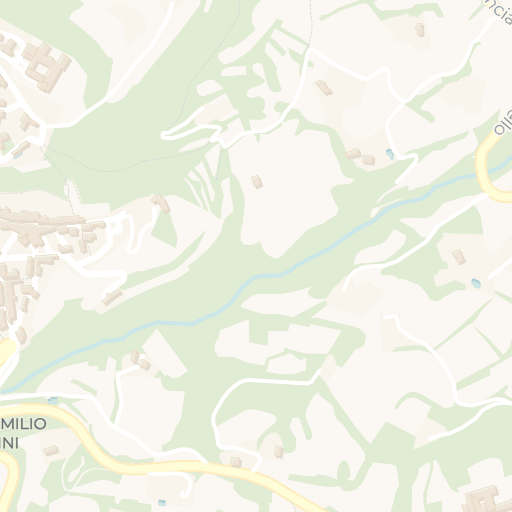
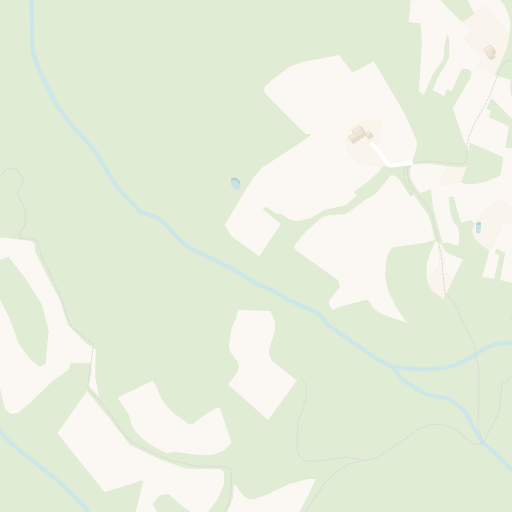
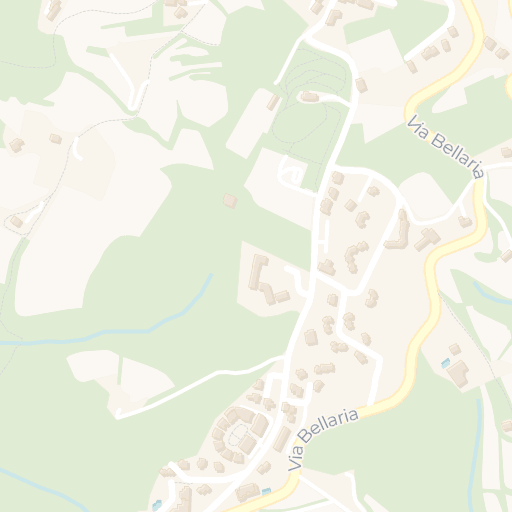
Get directions Open in Apple Maps
© OpenStreetMap contributors · © CARTO · 43.05615, 11.4906
Plan your visit
No opening hours and no ticket price for the Fortezza are published anywhere we can verify. The municipality does not post them and no operator page for the fortress was reachable when this page was written, so none is asserted here.
What to do about it:
- Go in the morning, and treat the visit as something to confirm on the spot rather than book.
- Ask the municipality if your plan depends on getting inside. The Comune di Montalcino switchboard is 0577 80441, at Piazza Cavour 13.
- Know that there is an enoteca inside the fortress. That is worth saying because it changes what a closed-ramparts day looks like: Montalcino's wine can be tasted within the walls themselves, which is the one thing in this town you can do without driving.
What is free, and what needs access
The exterior is the better half of the architecture and costs nothing. The pentagonal outline, the five corner towers, the scarped base with its loopholes and the machicolations along the parapet are all readable from outside, and the bastione di San Giovanni with its holm-oak garden sits outside the walls.
What needs access is the cammino di ronda, the wall-walk entered from the mastio di San Martino that runs the entire perimeter. That is the part worth paying for if it is open.
Getting there
The fortress is at the southern end of the town, at the top of it, so reaching it means walking up through Montalcino — the only real climb in the town, and short. Entry is by a ramp to the door, not steps.
Verified against Comune di Montalcino, October 2026.
When to visit
A spring or autumn morning. Morning because nothing publishes the hours and an Italian municipal site is likeliest to be open early; spring or autumn because the whole experience here is outdoors on stone.
May to June and September to October are the windows. The wall-walk runs the entire perimeter in the open with no shade at all, and the views from it over the Val d'Orcia country want clear air rather than August haze. Late September and early October also put you here during the vendemmia.
July and August: early or late only. An unshaded circuit of ramparts at the top of a hill town in the middle of an August afternoon is a poor idea, and the stone holds the heat.
November to March is quiet and cheap in Montalcino, and the fortress takes winter light well — a low sun across a scarped wall shows the batter and the machicolations far better than overhead summer light does. But winter is also when unpublished hours are likeliest to have contracted, so the phone call matters more.
Whatever the season, the holm-oak garden on the bastione is pleasant at any hour and needs nothing to be open.