

San Biagio, Montepulciano
Last updated on October 14, 2026Why visit San Biagio, Montepulciano
Because this is the idea that produced St Peter's, built where you can actually walk round it.
The Greek-cross central plan — a church with four equal arms under a dome, perfectly symmetrical — was the great theoretical ambition of Renaissance architecture. It came from Brunelleschi, passed through Giuliano da Sangallo's Santa Maria delle Carceri at Prato, and was the plan Bramante and Michelangelo used in their original designs for St Peter's Basilica. Here Antonio da Sangallo the Elder, Giuliano's brother, built it from 1518 with the backing of Pope Leo X.
And unlike almost every other building in that lineage, it is not hemmed in. It stands outside the walls in open fields, faced entirely in travertine slabs, so you can see all four sides and understand what a centrally planned church is actually for.
One detail tells you the rest: the design called for two symmetrical bell towers, and only one was built. The perfect building is lopsided.
No hours or admission are published, so treat the exterior as the visit — which is no loss, because the exterior is the argument.
Quick facts
- Type: Church, Sacred Place, Historic Place
- Local name: Madonna di San Biagio (vedi la pagina italiana)
- Built: Begun 1518; construction continued until 1580
- Built for: Supported by Pope Leo X
- Designed by: Antonio da Sangallo the Elder
- Architectural style: Renaissance, Greek cross central plan
Visit responsibly
Keep off the platform where it is roped, and do not walk on the lawn. The church sits free in open ground with almost no barriers, and that openness is exactly what makes the building worth coming for. It survives because people stay off it.
Do not touch the travertine. The entire exterior is travertine slabs at hand height, unprotected and unattended. Travertine is porous and soft, and hands are what polish and stain it.
Treat it as a church, not a monument. No hours are published because this is a working church rather than a ticketed site. If a service is in progress, stay outside — the exterior is the architecturally important part in any case.
Park at the church and nowhere else. It stands in farmland on a narrow approach, and the empty ground around it is the setting the whole design depends on. A car on the grass is in every photograph anyone takes that day.
Leave a donation if you go in. There is no ticket and no income from visitors for a building that took sixty-two years to put up and is faced in travertine throughout.
Walk down, drive up — or drive both ways. The temptation is to walk down from the town and then struggle back up in the heat. If you drive, you keep traffic off the footpath and you arrive able to look at the building.
Where it is
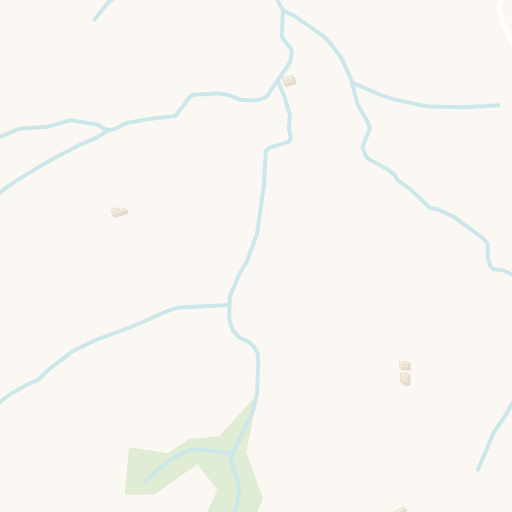
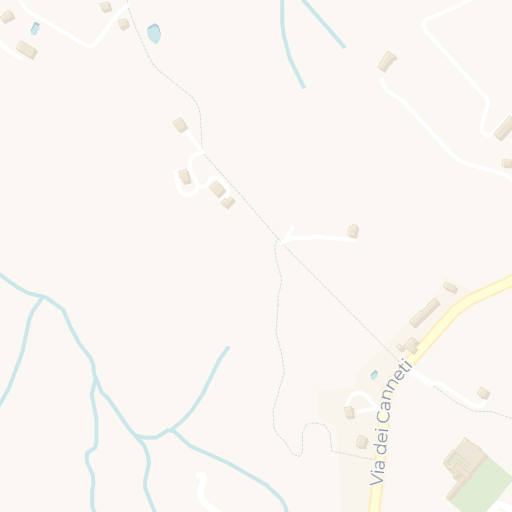
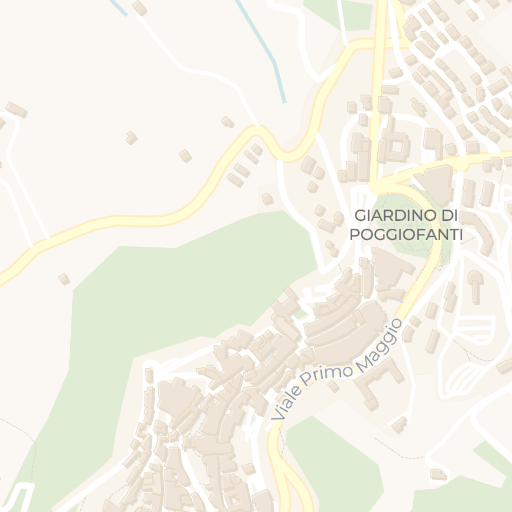
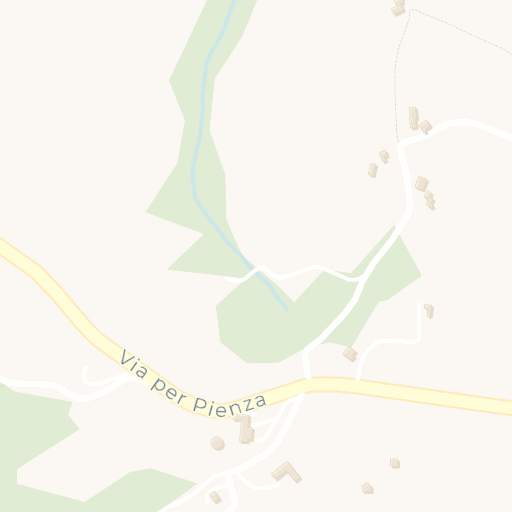
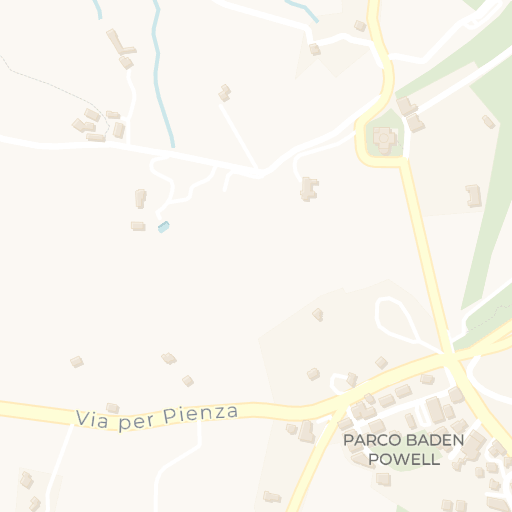
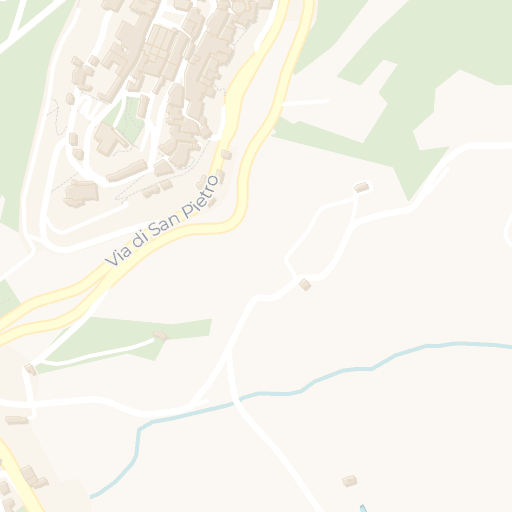
Get directions Open in Apple Maps
© OpenStreetMap contributors · © CARTO · 43.09083, 11.77444
Plan your visit
No opening hours and no admission charge for San Biagio are published anywhere we can verify, and this page asserts neither. It is a church rather than a ticketed monument.
That matters less here than almost anywhere, for one reason: the architecture is on the outside. The Greek-cross plan, the repeated façade scheme, the perimeter frieze, the dome on its drum, the travertine and the single tower are all exterior, and the setting in open fields is permanently available.
So the practical advice is:
- Walk the entire way round before trying the door. That is the visit. This is one of very few centrally planned Renaissance churches you can circle, and circling it is what the design asks for.
- Come in the late afternoon. The travertine turns gold, and the single bell tower throws the asymmetry into relief.
- Ask the municipality if you need the interior. The Comune di Montepulciano switchboard is 0578 7121, at Piazza Grande 1.
Getting there
San Biagio is outside Montepulciano, below the walls, with parking at the church. From the town it is a short drive down, or a walk down — but the walk back is uphill into a town that is itself one continuous climb, which in summer is a bad trade. Drive, and arrive fresh.
One thing not to expect
The sources record that in the early 16th century the remains of the earlier pieve included a wall with a 14th-century Sienese fresco of the Madonna with Child and St Francis. Whether that fresco survives inside the present church is not stated anywhere we can check, so do not travel for it.
Verified against Comune di Montepulciano, October 2026.
When to visit
Late afternoon, in spring or autumn. This is a building whose material does the work, and travertine in low sun is the reason to time the visit rather than just fit it in. Late light also rakes across the single bell tower and makes the missing second one obvious.
April to June and September to October are the best months: the fields around the church are green or gold, the air is clear enough to see the building against the Val d'Orcia country, and the walk down from the town is pleasant.
July and August work in the evening and are punishing at midday — the church stands in open fields with no shade at all, and the return climb into Montepulciano is the hardest walking in the town.
November to March is quiet, and genuinely good for this building: a low winter sun is exactly the condition in which a travertine Greek cross reads best, and there is nobody else there. Overcast winter days are the worst case, because flat light flattens the whole composition.
Whatever the season, avoid the middle of a bright day. Overhead sun removes the shadow that makes the entablature, the frieze and the pediment legible.