

Porta all'Arco
Last updated on October 14, 2026Why visit Porta all'Arco
Because on 30 June 1944 the people of Volterra saved it with their own street.
As the front passed, the German command in the city decided to blow the gate up to hinder the advancing American troops — but agreed to spare it if it were blocked within 24 hours. The population turned out en masse and sealed the gate using the paving stones prised from the surrounding streets. A bas-relief placed nearby in 1984 commemorates it.
What they saved is an Etruscan city gate of roughly the 4th–3rd century BC, built of great dry-laid blocks and still carrying traffic. It suffered less Roman reworking than comparable gates elsewhere, which is why it still has the grandeur Etruscan gates are supposed to have.
Look at the colour: three different rocks. Yellowish pietra panchina in the piers, grey reef limestone in the arch, and three carved heads in reddish selagite marking the keystone and both springings. Who they are is genuinely unsettled — Jupiter with Castor and Pollux, Jupiter with Uni and Minerva, or severed heads of enemy commanders as a warning.
It is free, it never closes, and it is five minutes from the museum.
Quick facts
- Type: Monument, Ruins, Historic Place
- Local name: Porta all'Arco (vedi la pagina italiana)
- Built: Roughly 4th-3rd century BC; the arch and the carved heads are 3rd-century BC reworkings
- Architectural style: Etruscan, in dry-laid pietra panchina
Visit responsibly
Do not stand in the gateway. This is both a safety point and a courtesy one: the Porta all'Arco is the principal access to Volterra from the south, it still carries vehicles through a narrow arch with poor sightlines, and visitors standing in it to take photographs are a genuine hazard to themselves and an obstruction to residents. Look from the side.
Do not touch the heads or the blocks. The three protomes are selagite, a rare volcanic rock, already worn almost featureless by two thousand years of weather, and they are within reach from the pavement. The masonry is laid dry, without mortar, which means every joint depends on the stones sitting exactly where they were put.
Read the 1984 bas-relief. It is there because on 30 June 1944 the people of this town tore up their own streets to wall up their own gate and save it. Thirty seconds in front of that plaque is the most appropriate thing a visitor can do here.
Keep the lane clear for the people who live on it. Via Porta all'Arco is a residential street, steep and narrow, not an approach corridor to a monument. Groups stopping across it block the only way down.
Spend in the workshops on the way up. The lane and the streets above it hold alabaster workshops practising a craft that has run here since the 8th century BC. Buying from a maker rather than from an importer is what keeps it alive.
Where it is
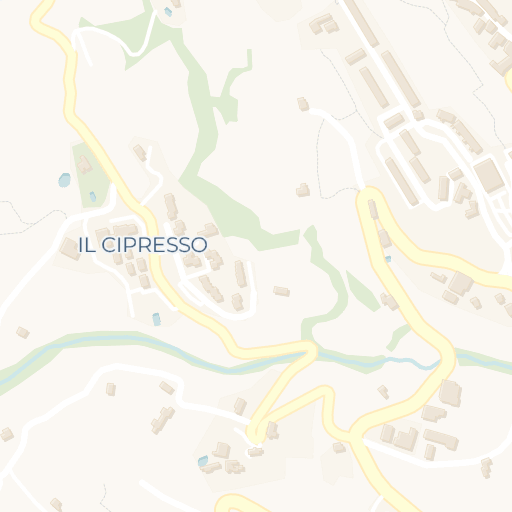
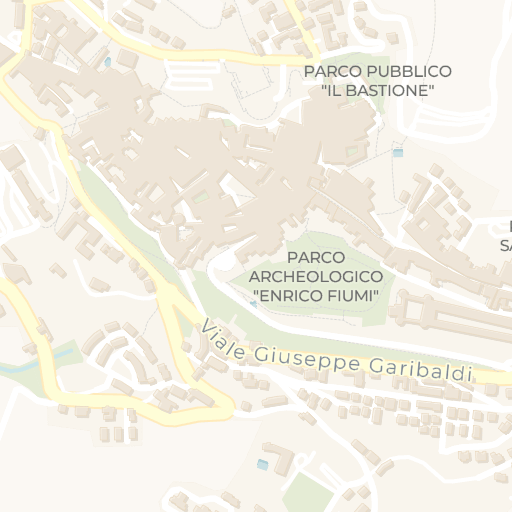
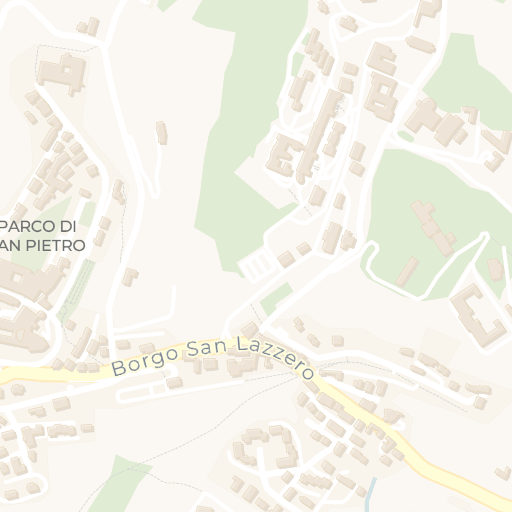
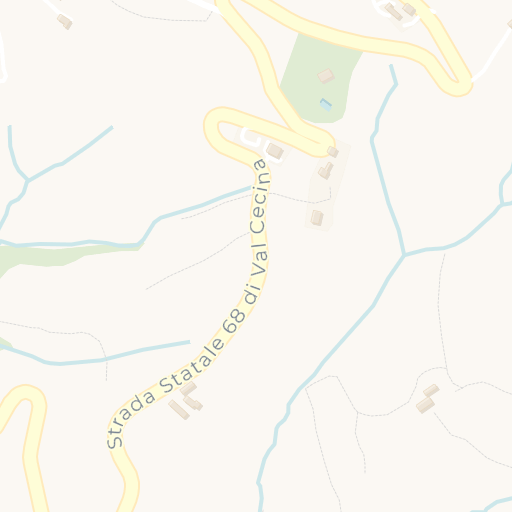
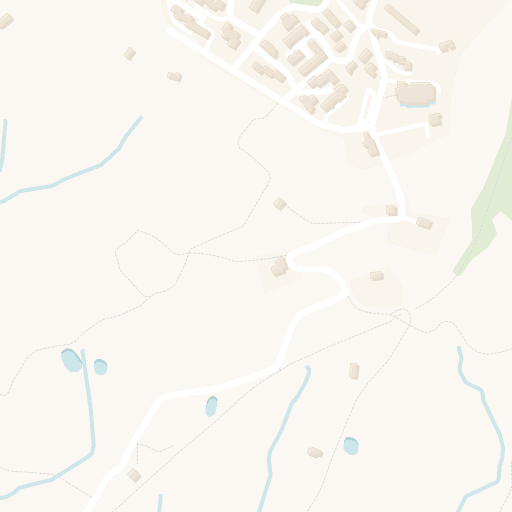
Get directions Open in Apple Maps
© OpenStreetMap contributors · © CARTO · 43.40088, 10.8584
Plan your visit
The Porta all'Arco is a public street. There is no gate to it, no operator, no ticket and no closing time, and everything described on this page can be seen at any hour for nothing.
The one safety point, and it is real
This is a live road through a narrow arch with poor sightlines. It is the principal access to the town from the south and it still carries vehicles. Do not stand in the opening to photograph it — look from the pavement on either side, or from a little way up the lane.
What to look at, in order
- The colour, from a few metres back. Yellowish pietra panchina piers, a grey reef limestone arch, and three reddish selagite heads.
- The three heads on the outer front, and where they sit: the keystone and the two springing points.
- The two openings. Walk through and notice the chamber between the outer fornix, once closed by a portcullis, and the inner one, barred by two leaves.
- The 1984 bas-relief nearby, which records the rescue of 30 June 1944.
Combining it with the rest of the town
The gate is free and needs no planning, which makes it the right thing to see when something else is shut — and in Volterra something often is, since the Guarnacci closes on Tuesdays between 3 November and 9 March. It is a few minutes' walk from Piazza dei Priori.
If you need anything from the town, the Comune di Volterra switchboard is 0588 86050, at Piazza dei Priori 1.
Verified against Comune di Volterra, October 2026.
When to visit
Any hour of any day, and for this gate the light genuinely matters. It costs nothing and never closes, so the only question is when it looks best.
Morning or late afternoon. Low, raking light does two things here: it brings out the three rock colours — yellow piers, grey arch, red heads — and it throws enough shadow across the worn protomes to let you make out that they are heads at all. In flat midday sun they almost disappear.
Spring and autumn are the best seasons for Volterra generally, and the gate is a short level walk from the centre in any weather.
July and August: early or late, as everywhere here. The lane is narrow and gets busy with the few visitors the town receives.
November to March is arguably the best time of all for this particular monument. A low winter sun across dry-laid Etruscan masonry is exactly the condition that shows the joints and the colour differences, and Volterra in winter is empty — so you can stand and look without a car behind you.
Avoid the middle of a bright day if you have a choice, and avoid rush hour in any season: this is a working road.