

Passo Giau
Last updated on November 15, 2026Passo Giau is a road pass at 2,236 metres between Cortina and Selva di Cadore, and it is widely held to be the most spectacular drive in the Dolomites.
The reason is that the road climbs out of the trees into open alpine grassland and simply stops climbing, leaving you on a bare saddle with mountains in every direction and nothing built on it but a refuge.
The pyramid of Ra Gusela stands directly above the pass, and the Marmolada is visible across the valley to the west. Cyclists know it as one of the hardest climbs in the Giro d'Italia; photographers know it as the place to be at sunrise.
Challenge to visitors
It is a road, and it closes. At 2,236 metres Passo Giau is subject to snow, and outside summer the pass can be shut or require winter equipment — which turns a scenic drive into a detour of an hour or more.
There is nothing there but the pass. No ticket, no site, no building to enter — visitors expecting an attraction find a saddle with a view and a rifugio, which is the whole offer.
And it is busy with cyclists. The climb is a well-known one, and in summer the hairpins carry riders at very different speeds from cars.
Visiting tips and strategy
When to go
Sunrise is what the pass is famous for -- Ra Gusela catching the first light with the valleys still dark. It is also the only time the car park is empty.
Late June to September is the reliable open season, with the refuge working and the walking paths clear.
Autumn gives larch colour on the slopes below and the year's clearest air, with far less traffic.
Midday in July and August is the worst of it: full parking, constant motorbikes, and flat overhead light on the rock.
Winter generally closes the road; the pass is then reachable only on skis or snowshoes.
Getting the good version
Drive it as a route, not a destination. Passo Giau is the best stretch of road between Cortina and the Agordino, and the point is the crossing rather than the stop at the top.
Stop on the way up, not only at the summit. The hairpins on both flanks give the views back down the valleys, and the saddle itself is the least interesting photograph on the climb.
Early or late for the light and the traffic. Midday in August puts coaches, cyclists and cars on the same hairpins at once.
Combine it with Passo Falzarego, which is a short drive away — the two passes together make the classic loop west of Cortina.
What it costs
Nothing. It is a public mountain road over a pass — no toll, no ticket, no gate.
The cost is seasonal access. At 2,236 metres the road is subject to snow closure and winter equipment requirements, so the real question is whether it is open rather than what it costs.
There is a rifugio at the top which operates as a business on its own terms, which is a separate matter from crossing the pass.
Cortina's destination authority publishes the area's roads and activities and no admission for the pass.
Verified against IAT Cortina d’Ampezzo, November 2026.
Getting there and getting in
Admission: Free
Where it is
At 2,236 m between Cortina and the Agordino, reached by hairpins from both sides.
Hours and admission
A public road, free. Subject to snow closure and winter-equipment requirements outside summer — check road status before relying on it.
What is there
The saddle itself, long views down both valleys and a rifugio. Nothing ticketed.
How long
Half an hour at the top; the drive over from Cortina and back is most of a morning with stops.
Place accessibility
The pass is reached by road and seen from it, which makes it one of the few high Dolomite sights available without walking at all — the saddle is broad and the views open directly from the roadside.
Parking at the top is limited and informal, and in season it fills; that, rather than terrain, is what determines how close you can get.
Seasonal closure is the real barrier. At 2,236 metres the road may be shut or require winter equipment, and when it is closed there is no alternative access.
Not published, and not guessed: designated accessible parking at the summit, and the surfaces off the roadside. Cortina's destination authority publishes area access and no detail for the pass.
Quick facts
- Type: Scenic Route/Trail
- Local name: Passo Giau (vedi la pagina italiana)
- Admission: Free
- Elevation: 2236 m
- A category-one Giro climb: The ascent is among the hardest in the Giro d’Italia and frequently decisive; cyclists share the hairpins with heavy motorbike traffic all summer.
- The shape in every photograph: The near-perfect rock pyramid of Ra Gusela stands directly above the pass, and at dawn it catches the enrosadira -- the pink flush that draws photographers before sunrise.
Where it is
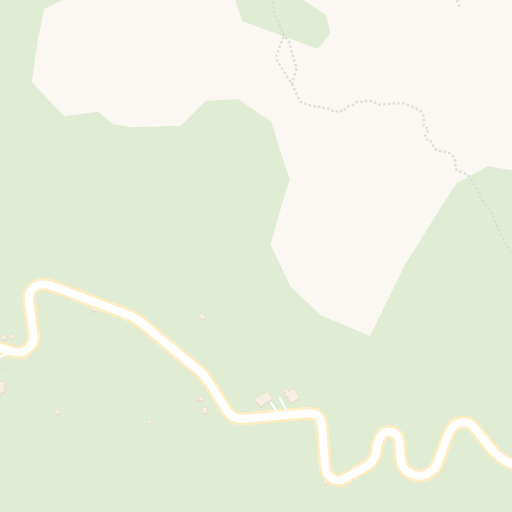
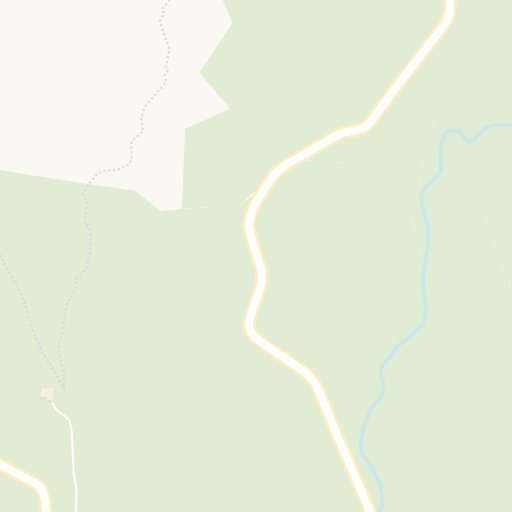
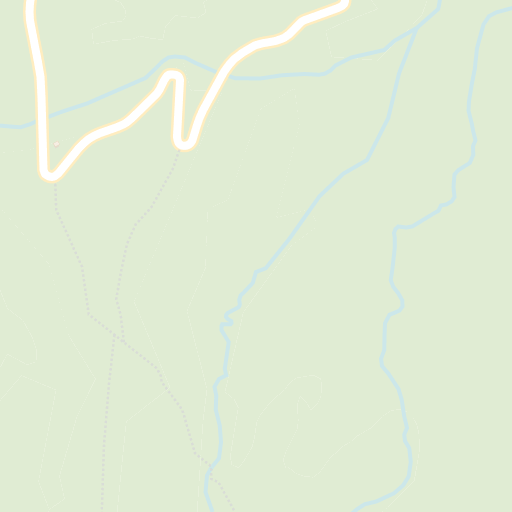
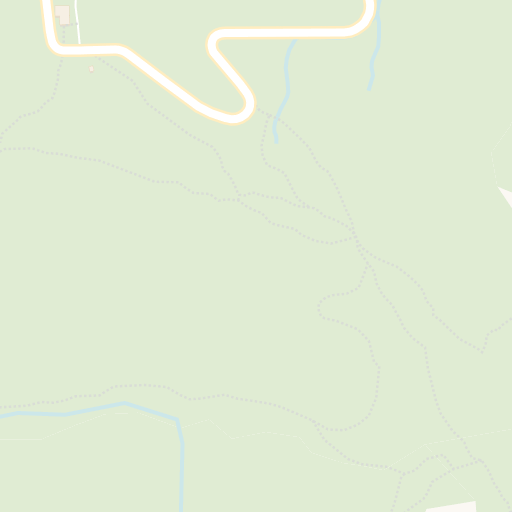
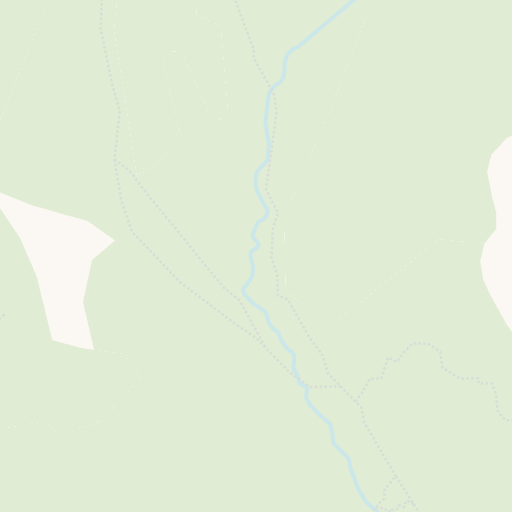
Get directions Open in Apple Maps
© OpenStreetMap contributors · © CARTO · 46.4839, 12.0553
Visit responsibly
The pass is overloaded in summer and its car park is small. Coming at dawn, coming out of season, or cycling up is materially better than joining the midday queue.
The saddle is grazed alpine pasture and the grass is thin and slow to recover. Keep to paths and to the car park -- the erosion scars where people have walked out for photographs are already visible.
Do not park on the verges or the grass, however full the car park is.
Cyclists have right of way in practice on a climb this narrow and this popular; give them room on the hairpins.
Take everything away with you. The bins at the top are emptied by road, and in summer they overflow long before that happens.