

Teatro de la Sena
Last updated on November 15, 2026Hours verified November 2026
The Teatro de la Sena is a small eighteenth-century opera house built inside the Palazzo della Ragione on Piazza Maggiore in Feltre -- so the town's civic hall and its theatre are the same building.
The present interior dates from a rebuilding of 1802 by Giannantonio Selva, the architect of La Fenice in Venice, and it follows the same formula at a fraction of the scale: a horseshoe auditorium in timber, with tiers of boxes.
For a town of this size to have a theatre by the architect of La Fenice is the sort of disproportion that makes small Veneto towns worth paying attention to.
Challenge to visitors
It opens Friday to Sunday only. Four days of the week are closed all year round, which means a Monday-to-Thursday visit to Feltre cannot include the one interior most worth seeing.
It is upstairs in a building called the Palazzo della Ragione — Feltre's own, not Padua's. Searching for the name alone leads to the wrong town, and the theatre is on the first floor rather than at street level.
And the ticket price is not published. Entry is by single admission or Totem Card, in a Museum or Plus version, and the municipality names them without giving a figure.
Visiting tips and strategy
When to go
The performance season, mainly autumn to spring, is when the theatre is open and at its best.
Heritage open days in autumn are the usual chance to look round without a ticket.
Summer is the least likely time to find it open, aside from events around the August Palio.
Since access depends entirely on the programme, check locally rather than turning up.
Getting the good version
Go up into a box rather than staying in the stalls. The room was built to be seen from the tiers — twenty-four boxes around a small floor — and the proportions only read properly from inside one.
Look at the curtain. Tranquillo Orsi's painted drop has been restored recently and is the single most fragile and most easily missed thing in the building.
Know whose building you are in. The theatre of 1802 is by Giannantonio Selva, the architect of La Fenice in Venice — so this is a small, intact, provincial version of the same hand, which is a far more interesting proposition than a pretty room.
Ring ahead for a guided visit on +39 0439 885234 or 327 2562682, and pair it with the castle towers above the town if you are here between April and September.
What it costs
Entry is by single admission ticket or Totem Card — the card in a Museum or a Plus version. The municipality publishes neither price on the theatre's page, so no figure is quoted here.
Guided visits and tickets are arranged by telephone: +39 0439 885234 or +39 327 2562682, or info.feltre@aqualab.it.
If you are weighing up a circuit card: the Museo Civico archeologico has been closed for renovation since 30 May 2025 with no published completion date, so one of the circuit's principal sites is currently unavailable.
The theatre can also be hired — conferences from €750, performances from €800, weddings €1,000, with half-day rates reduced by half — which is a separate matter from visiting it.
Verified against Assessorato al Turismo della Città di Feltre, November 2026.
Getting there and getting in
Hours
Friday to Sunday and holidays. 1 October to 31 March: 10:00–13:00 and 15:00–18:00. 1 April to 30 September: 10:00–13:00 and 15:00–19:00. Open year-round otherwise, closed 25 December and 1 January.
Where it is
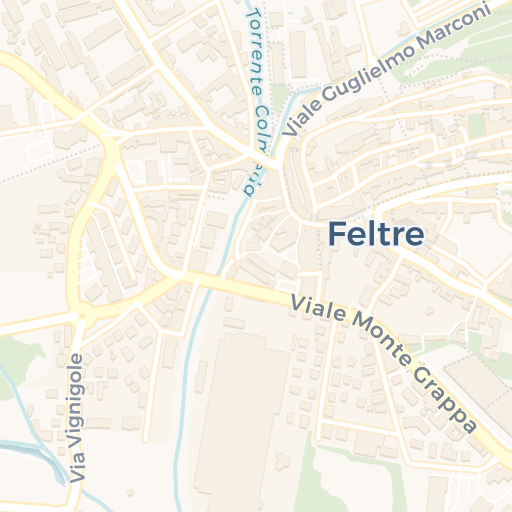
Piazzetta delle Biade 5, 32032 Feltre — on the first floor of Feltre's Palazzo della Ragione, a sixteenth-century palace. Not to be confused with Padua's Palazzo della Ragione.
What it is
A council chamber that became the "Teatro Sociale" in 1684; the present theatre dates from 1802 and is by Giannantonio Selva, architect of La Fenice. Twenty-four boxes, and a recently restored curtain by Tranquillo Orsi.
Tickets
Single admission or Totem Card (Museum or Plus); no price published. Guided visits on +39 0439 885234 or 327 2562682, info.feltre@aqualab.it.
How long
Half an hour, or an hour on a guided visit.
Place accessibility
The theatre is on the first floor, which is the fact that governs a visit here: it occupies the upper level of a sixteenth-century palace, so reaching the auditorium means going up.
The boxes rise in tiers above the stalls, so the best vantage points are above the auditorium floor again — the stalls are the level-access part of the room, if the room can be reached at all.
Friday-to-Sunday opening narrows the planning window for anyone arranging assistance or transport, with a two-hour midday closure inside each open day.
Not published, and not guessed: whether a lift serves the first floor, the stair from the entrance, thresholds, or any provision for visitors with disabilities. The number that can answer is +39 0439 885234, and this is worth asking before travelling rather than on arrival.
Quick facts
- Type: Historic Place
- Local name: Teatro de la Sena (vedi la pagina italiana)
- Built: Rebuilt 1802
- Designed by: Giannantonio Selva
- Architectural style: Neoclassical
- By the architect of La Fenice: Giannantonio Selva rebuilt the auditorium in 1802, a decade after completing La Fenice in Venice, using the same horseshoe formula at provincial scale.
- A theatre inside the town hall: The Sena is built within the Palazzo della Ragione on Piazza Maggiore, so nothing of it is visible from the square.
Where it is
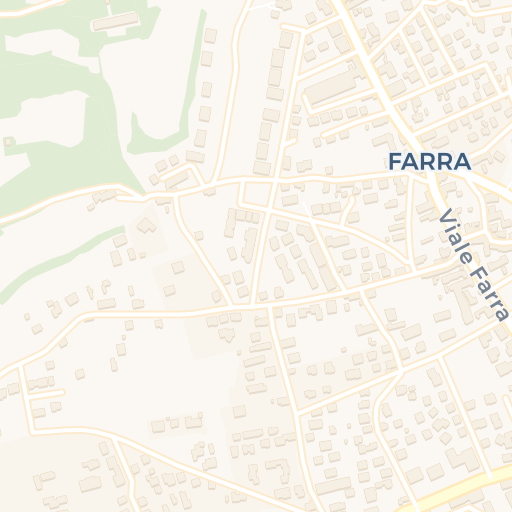
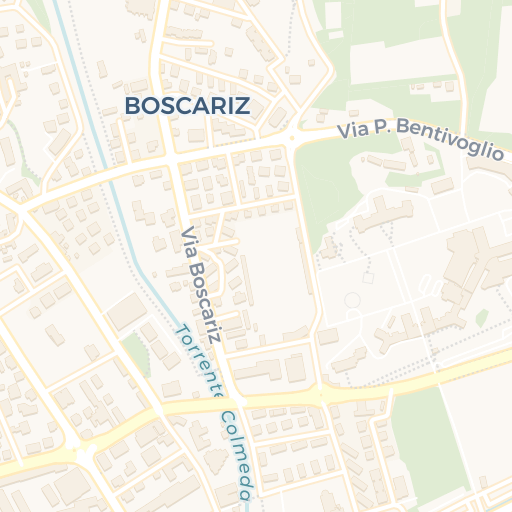
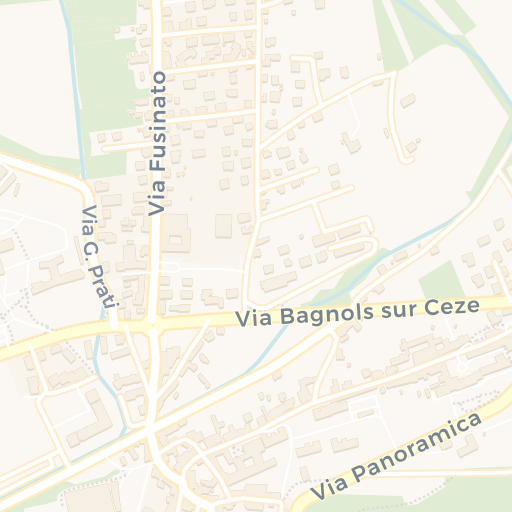
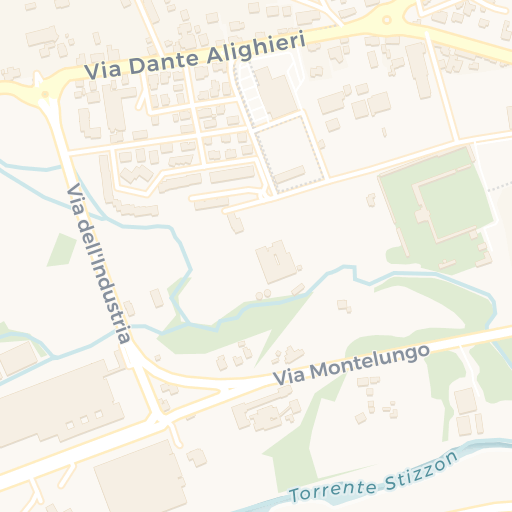
Get directions Open in Apple Maps
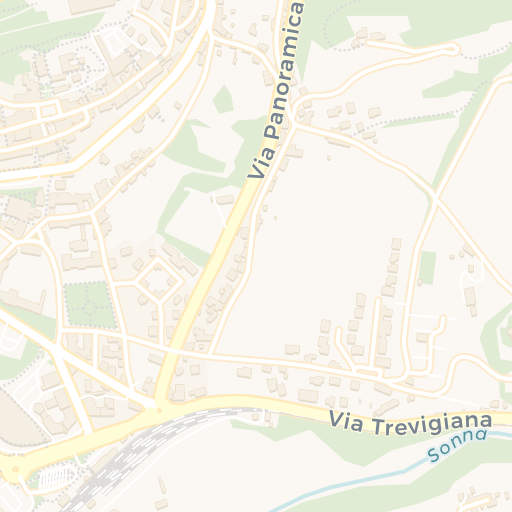
© OpenStreetMap contributors · © CARTO · 46.018, 11.9078
Visit responsibly
This is a small working theatre in a town without a tourism economy, maintained on limited means. Buying a ticket is both the best way to see it and the direct contribution.
The interior is timber and painted decoration, and it is fragile. Do not touch the box fronts, and follow whatever the staff ask.
Photography is generally restricted during performances; ask rather than assume.
Park below the old town and walk up through Via Mezzaterra -- the streets at the top are narrow and residential.