

Palazzo della Ragione
Last updated on September 7, 2026Overview
The Palazzo della Ragione is the building that splits Padua's market in two, and it contains one of the largest medieval halls in Europe whose roof rests on no internal columns at all. Its name means "palace of reason" -- ragione in the judicial sense -- because the hall upstairs was the city's court. Beneath it, at street level, food has been sold continuously for eight hundred years.
Quick facts
- Type: Historic Place
- Local name: Palazzo della Ragione (vedi la pagina italiana)
- Built: 1218-1219; roof rebuilt 1306
- Architectural style: Medieval
- One of the largest medieval halls in Europe: The upper Salone runs 81 metres unobstructed under a keel-shaped wooden roof with no internal supports.
- An astrological cycle: Around 333 fresco panels of the months, planets and constellations, repainted after the 1420 fire on a scheme derived from Giotto's lost original.
Visit responsibly
Sotto il Salone is a working food market rather than a heritage display, and its butchers and cheesemongers are trading. Buying something is easy and appropriate; photographing counters at close range without asking is the standard complaint.
The ticket for the hall goes into Padua's civic museum system, which maintains a fresco cycle of 333 panels in a building with an 800-year-old roof. It is not an expensive ticket for what it sustains.
The hall's frescoes are original 15th-century paint on plaster in a naturally lit, unclimatised room. Flash is prohibited, and the rule is about the pigment rather than the atmosphere.
Where it is
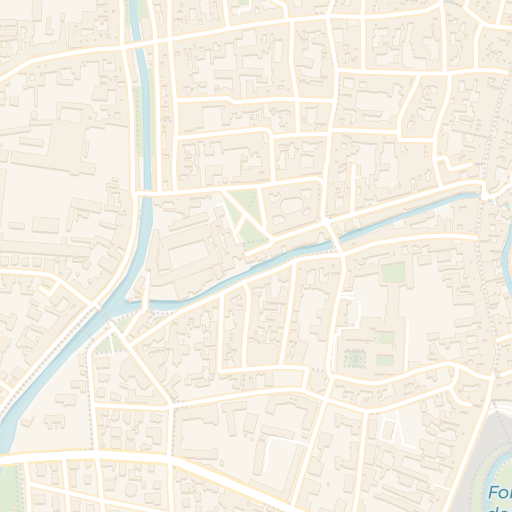
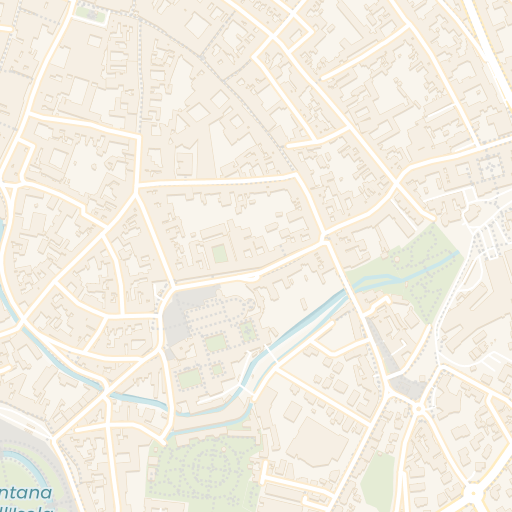
Get directions Open in Apple Maps
© OpenStreetMap contributors · © CARTO · 45.4073, 11.875
Plan your visit
The upper hall is ticketed and part of Padua's civic museums; the Padova Urbs Picta card covers it along with the city's other fresco sites. Sotto il Salone at ground level is a public arcade, free and open during ordinary shop hours. Access to the hall is by stairway, and the building sits inside the ZTL, so arrival is on foot -- about fifteen minutes from the railway station.
When to visit
Come in the morning if you want the building whole: the market is running below while the hall is open above, and the two halves make sense together in a way neither does alone.
The hall is lit largely by its own loggia windows, so a bright day genuinely helps in reading the fresco panels -- they are high, faded and densely packed.
Sunday closes the market, which makes the arcade quiet and the hall easier to enjoy in isolation, depending on which of the two you came for.
The hall is unheated and, being that size, cold in winter. It is also blessedly cool in August, when the rest of Padua is not.