

Palazzo Bo
Last updated on September 14, 2026Overview
Palazzo Bo has been the seat of the University of Padua since 1493, and it contains the oldest permanent anatomical theatre in the world, built in 1594. Galileo lectured in this building for eighteen years. It is visitable only by guided tour, which is why most visitors to Padua walk past it without realising what it is.
Quick facts
- Type: Historic Place
- Local name: Palazzo Bo (vedi la pagina italiana)
- Built: 1493; anatomical theatre 1594
- Built for: University of Padua
- The first permanent anatomical theatre: Built in 1594, a steep wooden funnel where students stood in six tiers around a dissection table.
- Galileo taught here: He held the chair of mathematics from 1592 to 1610 and called these his best eighteen years; his lectern survives.
Visit responsibly
This is a working university, not a museum with students in it. Tours move through corridors where people are teaching and working, and the guide's pace is set by that.
The anatomical theatre is a fragile 400-year-old wooden structure with strict limits on group size and no photography in some sessions -- the restrictions are structural as much as curatorial.
Graduation ceremonies are family occasions happening in a public courtyard. Watching from the edge is normal; photographing strangers' families closely is not.
Where it is
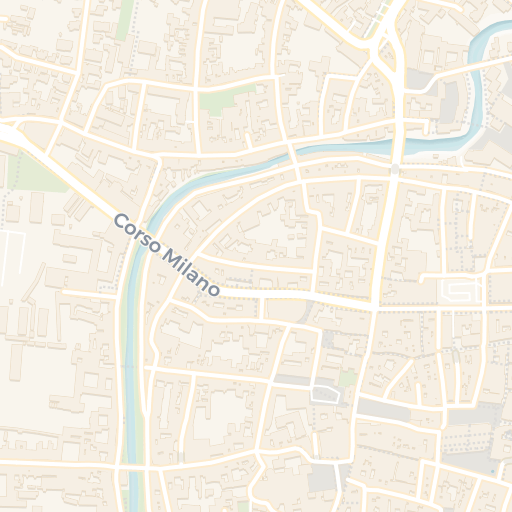
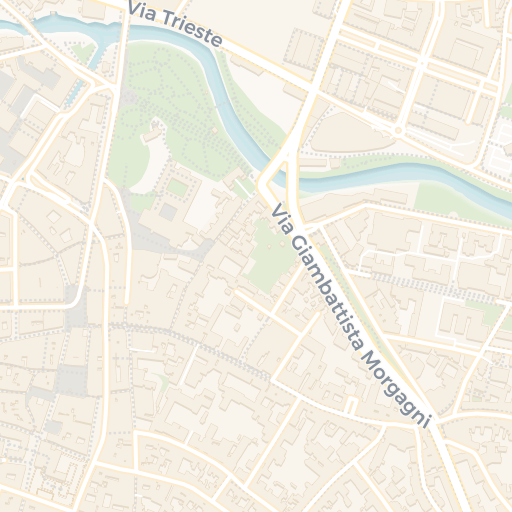
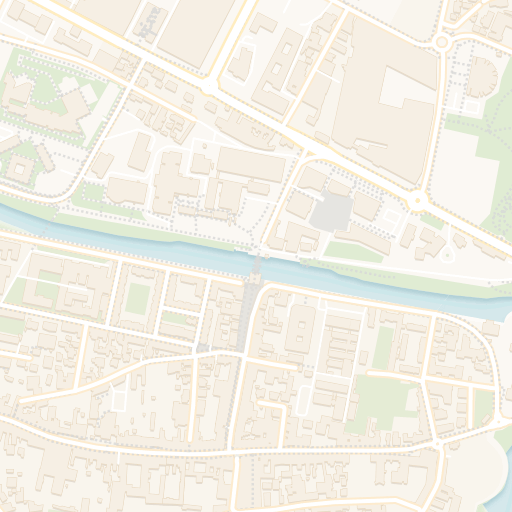
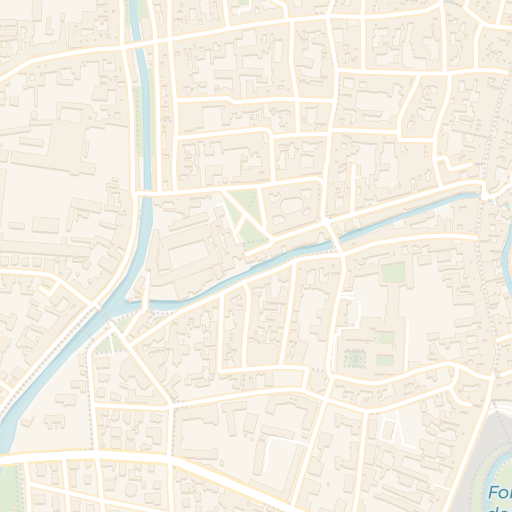
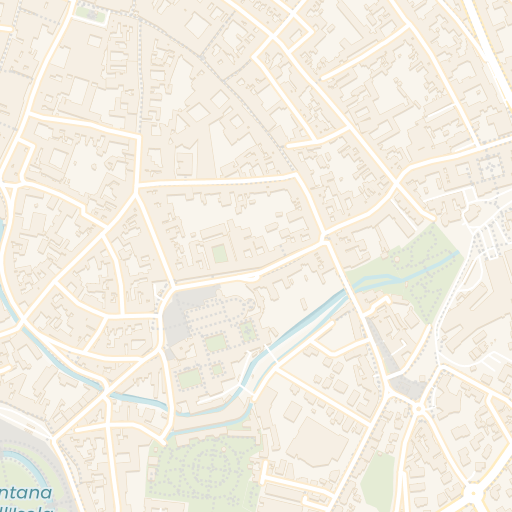
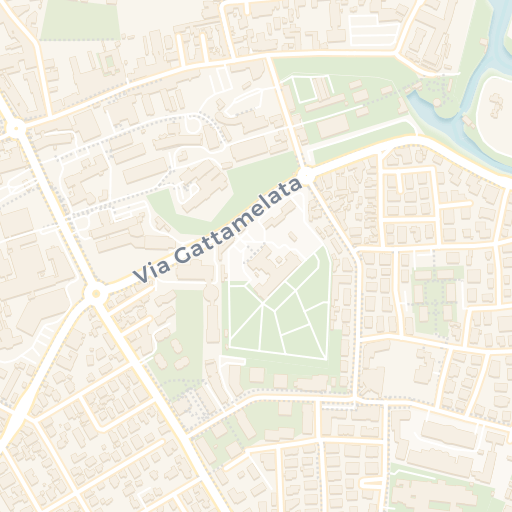
Get directions Open in Apple Maps
© OpenStreetMap contributors · © CARTO · 45.4072, 11.8779
Plan your visit
Access is by guided tour only, in fixed slots, and tours sell out -- book ahead rather than turning up. Tours run in Italian and English and last roughly 45 minutes, covering the courtyard, the anatomical theatre and the Aula Magna. The building is in the ZTL; it is a fifteen-minute walk from the railway station.
When to visit
Book the earliest slot available: the theatre is small and the experience is much better with a smaller group.
During term the courtyard is full of students, which is the building at its most alive. Graduation days -- frequent in July and again in the autumn -- add laurel wreaths, families and noise.
August is quiet, with reduced tour schedules and an emptier building.