

Prato della Valle
Last updated on November 11, 2026Prato della Valle is an elliptical public square in Padua, and at roughly 90,000 square meters one of the largest public squares in Europe -- a green central island ringed by a canal and, in turn, by a double row of statues honoring 78 historical figures connected to the city.
Where many European squares are enclosed by buildings on all sides, Prato della Valle is defined instead by its own canal and statue ring, giving it an open, park-like character closer to a garden than a conventional civic piazza.
Challenge to visitors
Its size defeats photographs and surprises people on foot. This is among the largest squares in Europe, and the walk round the canal is substantially longer than the map suggests — visitors budget ten minutes and find the circuit takes half an hour.
It changes completely with the day. On Saturdays a large market covers it; on summer evenings it is the city's gathering place; on a wet Tuesday afternoon it is a very big empty ellipse. None of those is the wrong version, but they are not the same visit.
And it is a crossroads, not an enclosure. Traffic runs around the outer ring and the Basilica of Saint Anthony is three minutes away, so the square is busy at its edges in a way that the calm green centre does not suggest.
Visiting tips and strategy
When to go
Morning market days bring the square to its liveliest, most local atmosphere; visiting outside market hours gives a quieter view of the statue ring and central garden.
Getting the good version
Walk the canal, do not cross it. The statues are the square and they only work in sequence — a full circuit along the water, reading the figures as you go, is the visit. Cutting over a bridge to the island skips the whole thing.
Saturday morning for the market, summer evening for the city. Those are the two days the square is what it is meant to be; a weekday afternoon shows you the architecture without the life.
Allow half an hour, not ten minutes. The ellipse is far larger than it photographs, and the circuit is a genuine walk.
Pair it with the Basilica of Saint Anthony, three minutes north, and with the Botanical Garden between the two — the three are a single southern loop and this square is the right place to end it, not start.
What it costs
Nothing. It is a public square — open ground, open at every hour, with no gate and no ticket, and the central island and its canal are as free as the pavement around them.
The market that uses it is free to walk through, and the statues that make it famous are outdoor public sculpture on the canal banks.
What costs money is nearby, not here. The Basilica of Saint Anthony three minutes away is free; the Botanical Garden between them is ticketed, and the civic museums in the centre are on the municipal cards.
Padua's civic register of ticketed sites gives each venue an address, hours and tariffs. This square appears in it only as a location.
Getting there and getting in
Admission: Free · Free public square/park
Where it is
South of the centre, three minutes from the Basilica of Saint Anthony and beside the Botanical Garden.
Hours
Open ground, at all hours. A large market covers it on Saturdays.
Admission
Free, including the central island and the canal walk.
How long
Half an hour for a full circuit of the canal — longer than it looks, and the circuit is the point.
Place accessibility
Level open ground with no gate, no ticket and no threshold, and four bridges connecting the outer ring to the central island.
Distance is the access question here, not steps. The ellipse is among the largest squares in Europe and a full circuit of the canal is a substantial walk — worth planning as a distance rather than as a stop, and worth knowing that the statues can be read in sections instead of in one lap.
The central island is reached over bridges, so whether it is usable depends on those crossings rather than on the square itself.
Not published, and not guessed: the surfaces of the lawn and the canal path, the gradients of the four bridges, and whether seating is distributed round the circuit. The city publishes an accessibility section for visitors, which is the place to ask.
Quick facts
- Type: Square/Plazza
- Visitor access: Open to visitors
- Admission: Free
- Built: 1775
- Built by: Andrea Memmo
- Size: 90,000 m²
Where it is
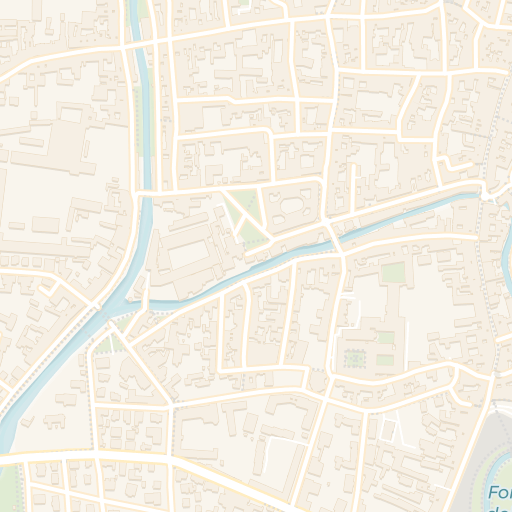
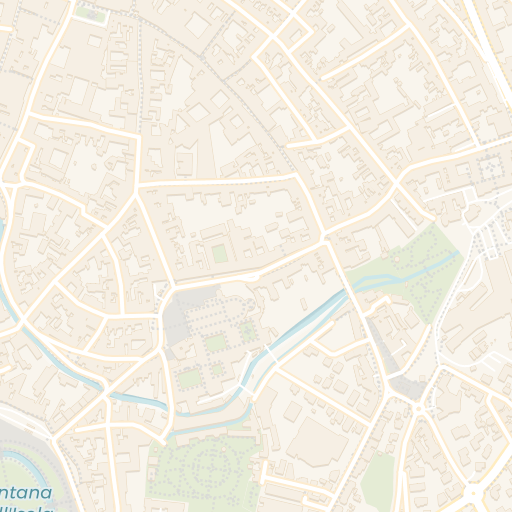
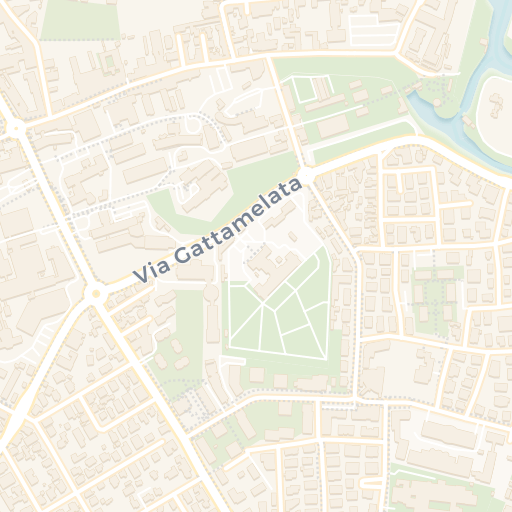
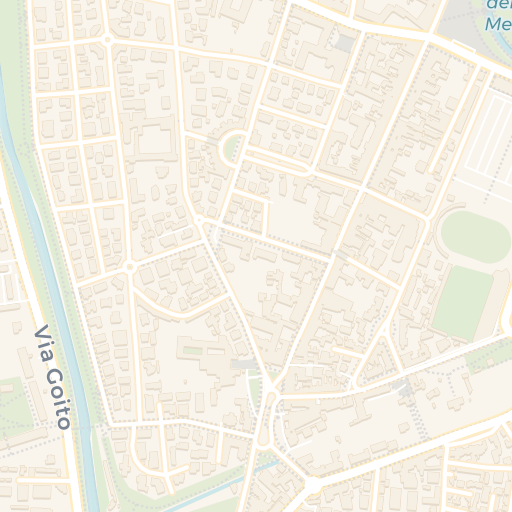
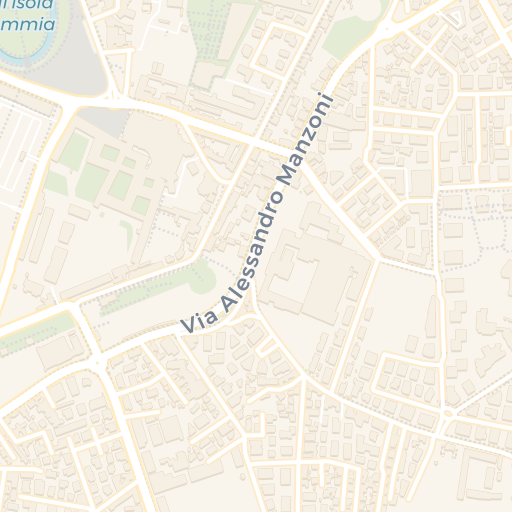
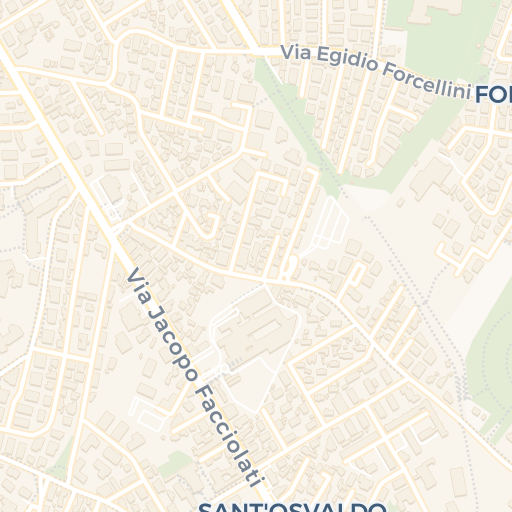
Get directions Open in Apple Maps
© OpenStreetMap contributors · © CARTO · 45.39842, 11.8764
Visit responsibly
As a genuine public square used daily by Paduans, treating it as a through-space and gathering spot -- rather than only a photo backdrop -- fits how the space is actually used.