

Scrovegni Chapel
Last updated on August 17, 2026Overview
The Scrovegni Chapel in Padua houses one of the most important fresco cycles in Western art history -- a complete, unbroken sequence of scenes painted by Giotto di Bondone between 1303 and 1305 that art historians regard as a turning point away from flat Byzantine convention and toward the naturalism and emotional depth that would define Renaissance painting.
Unlike Padua's grander churches, the chapel is a single small, unassuming building -- its interior, covered floor to ceiling in blue-and-gold fresco, is disproportionate to its plain exterior, and deliberately so: the chapel was built to atone for a specific sin, and its interior was meant to be seen only by invited guests, not crowds.
Quick facts
- Type: Church, Museum
- Visitor access: Open to visitors
- Admission: €15
- Built: 1303-1305
- Built by: Enrico Scrovegni
- Designed by: Giotto di Bondone (frescoes)
- UNESCO World Heritage Site: Yes
Visit responsibly
The fresco cycle's condition depends directly on visitor behavior -- no photography (flash or otherwise) is permitted inside, and the mandatory antechamber wait exists specifically to protect the paintings, not merely to manage crowd flow, so treating it as an inconvenience to skip misunderstands its purpose.
Arriving on time for a booked slot matters more here than at almost any other attraction in Padua -- a missed slot is not simply rescheduled on the spot, given how tightly visitor numbers are controlled.
Where it is
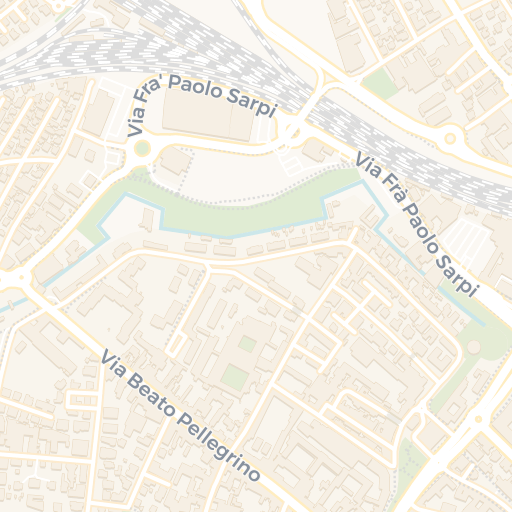
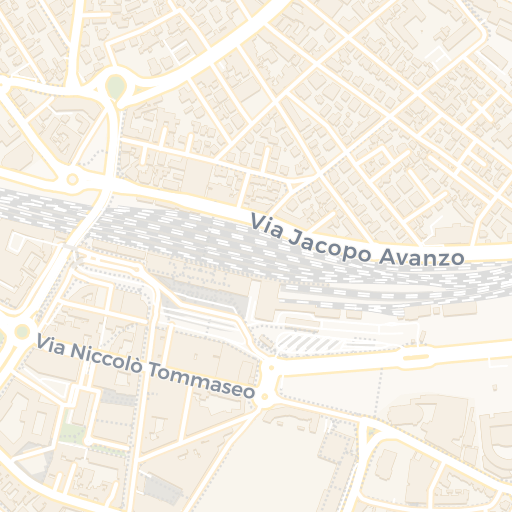
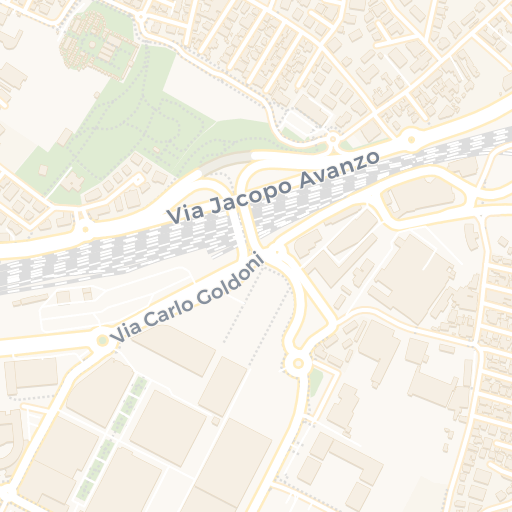
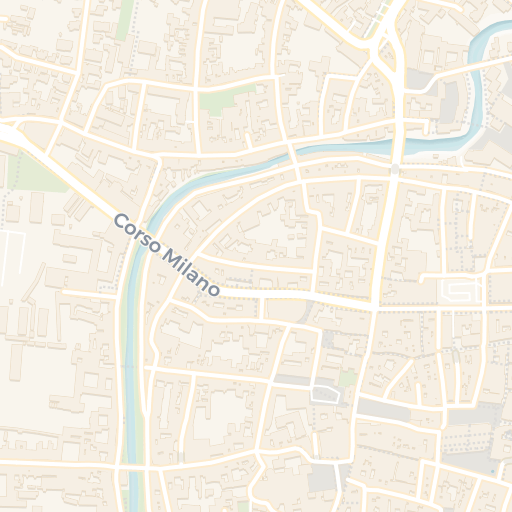
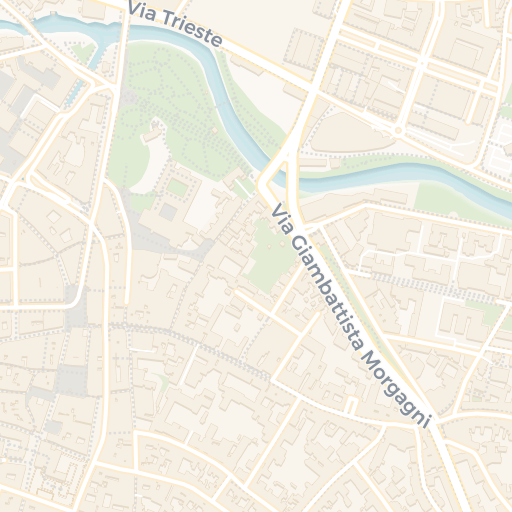
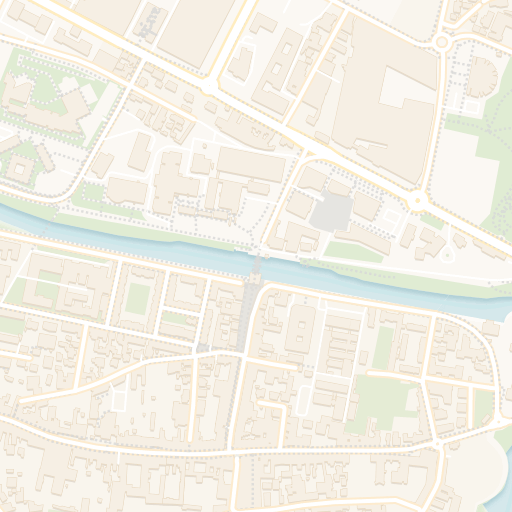
Get directions Open in Apple Maps
© OpenStreetMap contributors · © CARTO · 45.41187, 11.87952
Plan your visit
Admission: €15 · Timed-entry reservation required
Entry is by timed reservation only, booked in advance -- walk-up entry is not reliably available, especially in peak season, since only a small number of visitors are admitted per slot.
Every visit begins with roughly 15 minutes in a climate-controlled antechamber before entering the chapel itself, a mandatory step designed to stabilize humidity and temperature on visitors' clothing and skin before they enter the fresco room -- arriving late risks missing the slot entirely.
The chapel visit itself is limited to about 15-20 minutes inside, after which visitors are asked to make way for the next group.
When to visit
Because entry is capped by reservation regardless of season, crowding inside the chapel itself is consistent year-round -- the bigger variable is how far in advance tickets are still available, which shrinks considerably around Easter, summer, and Christmas holidays.
Booking as early as possible, ideally several weeks ahead for a summer visit, is the most reliable way to get a preferred time slot.