

Villa Emo
Last updated on November 15, 2026Villa Emo stands at Fanzolo, in the flat country west of Treviso, and it is the clearest surviving demonstration of what a Palladian villa was actually for.
Designed by Palladio around 1559 for Leonardo Emo, it is a working farm. The central block with its pedimented portico is flanked by two long arcaded barchesse -- barns -- ending in dovecote towers, and the whole thing is a single symmetrical composition several hundred metres wide.
The giveaway is at the front. Instead of steps, there is a ramp, so that carts could be driven up to the threshing floor. The grandest element of the facade exists because of grain.
Inside, Zelotti frescoed nearly every room.
Challenge to visitors
Its own website is no longer its own website. The domain that appears as Villa Emo's now serves online-casino and betting spam and does not mention the villa, Palladio or Fanzolo anywhere. Anything found there about hours or tickets should be disregarded entirely.
Which means planning has to go through other channels. Until the site is restored, opening times and admission need to be confirmed locally or through the regional villa authorities rather than online.
And it is out in the countryside. Fanzolo di Vedelago is well outside Treviso and not on a casual route; this is a deliberate trip, which makes arriving on a closed day costlier than usual.
Visiting tips and strategy
When to go
Spring and autumn are the best -- the surrounding farmland is worked and the light on the long facade is good.
Whenever it is open is the practical answer; the schedule constrains more than the season does.
Late afternoon throws the portico and barchesse into relief along the axis.
Summer is hot on an unshaded plain, though the interior is cool.
Getting the good version
Confirm it is open before you set out, by telephone or through a local tourist office. With the villa's own site unusable, that call is not optional.
Approach along the axis, not from the car park. The villa was designed to be seen head-on down its own line, with the two barchesse opening symmetrically on either side; from an angle the composition collapses into a long wall.
Walk the barchesse end to end. They are the argument of the building — working agricultural arcades given the same architectural dignity as the owner's rooms, which is the idea that made this type famous.
Pair it with another villa, not with Treviso. It belongs to the landscape of Palladian farm villas rather than to the city, and a day that strings two or three together makes far more sense of it than a detour from the centre.
Getting there and getting in
The villa charges admission and opens on a limited schedule -- generally weekends and by arrangement, with reduced winter hours. It also hosts events, which can close it to visitors.
Check before travelling. This is not a daily-opening museum.
It is at Fanzolo di Vedelago, about 30 minutes by car from Treviso and 25 from Castelfranco. Public transport is not practical.
Allow an hour.
The ramp means the main floor is reachable without steps, which is unusual in a building of this date -- accessibility is better here than at most Palladian villas.
It combines naturally with Villa Barbaro at Maser, about 20 minutes north, for a day of Palladian villas.
Quick facts
- Type: Mansion
- Local name: Villa Emo (vedi la pagina italiana)
- Built: c. 1559
- Built for: Leonardo Emo
- Designed by: Andrea Palladio
- Architectural style: Renaissance
- A ramp, not a staircase: Carts drove up to the threshing floor in front of the house, so the ceremonial approach and the harvest route are the same thing. No detail explains the Palladian villa better.
- One family for 445 years: The Emo held the villa from its construction around 1559 until 2004 -- one of the longest unbroken family ownerships of any Palladian building.
- UNESCO World Heritage Site: Yes
Where it is
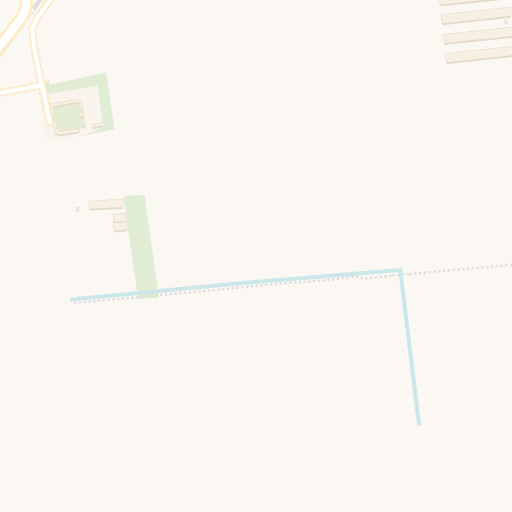
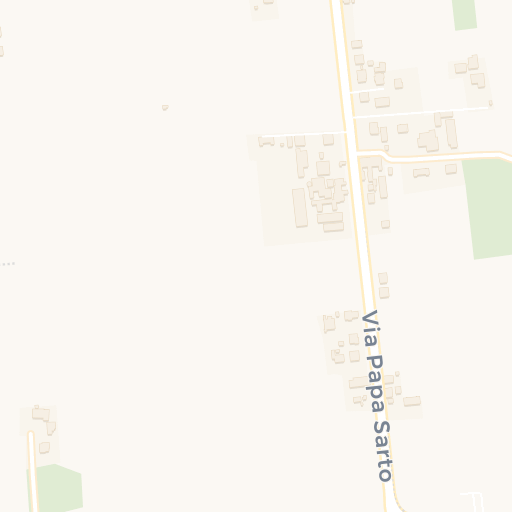
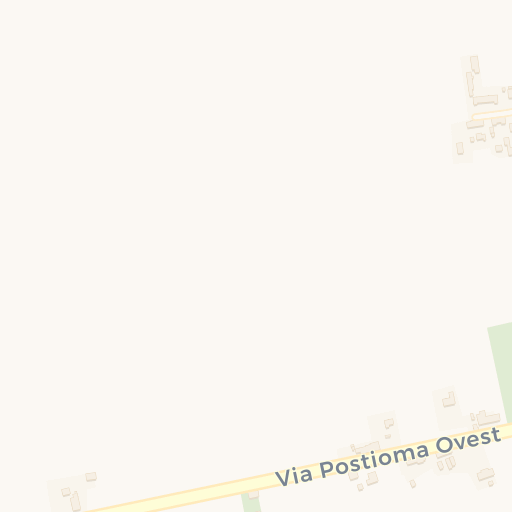
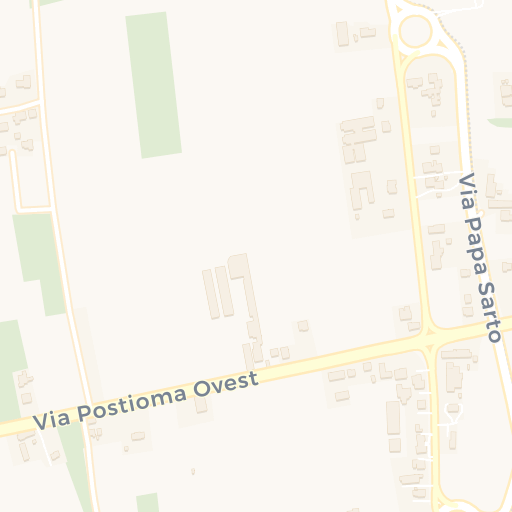
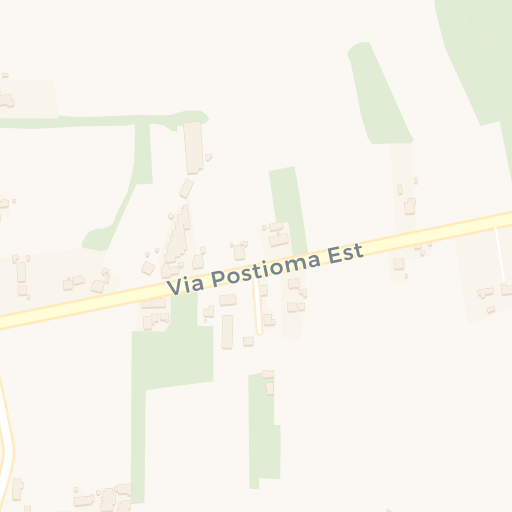
Get directions Open in Apple Maps
© OpenStreetMap contributors · © CARTO · 45.7069, 12.0122
Visit responsibly
The Zelotti frescoes are a nearly complete sixteenth-century scheme in a building without museum conditions. No flash, no touching, and follow the photography rules given.
The villa is a privately managed UNESCO property that also earns from events. Booking, and going when it is genuinely open rather than pressing for access, is the reasonable approach.
The surrounding land is working farmland. Keep to the villa's own grounds.
Combining it with Maser in one trip reduces driving across a plain where there is no useful public transport.