

Arena di Verona
Last updated on September 23, 2026Why visit the Arena di Verona
This is the only Roman amphitheatre that never fell out of use. Every other survivor became a quarry, a ruin or a museum piece; Verona kept repairing this one and kept putting audiences in it, and for six weeks each summer it is not a monument at all but a working opera house holding around 22,000 people.
The result is a building where the Roman geometry is still doing its original job: unamplified voices carry to the top tier because of the shape, not because of anything added to it.
Visit if you:
- are fascinated by Roman and antique history
- want Roman engineering you can sit inside rather than look at
- like open-air opera, and the scale that only works outdoors
- care about buildings that never stopped doing the job they were built for
Skip it if you:
- are coming on a performance afternoon in season — the daytime visit closes for the staging
- need a numbered seat with a back; the upper gradinata is bare unnumbered stone
- are expecting the Colosseum’s ruined outer wall, which this building no longer has
Quick facts
- Type: Famous Wonder, Site Complex, Ruins, Historic Place, Theatre, Roman
- Local name: Arena di Verona (vedi la pagina italiana)
- Visitor access: Open to visitors
- Admission: €10
- Built: 30 CE
- Built for: gladiatorial contests and public spectacles
- Architectural style: Roman
- Height: 30 m
- Capacity: 30000
- Opera festival founded: 1913
- Modern opera-era capacity: ~15,000 seats
- UNESCO World Heritage Site: Yes
Visit responsibly
The building is the venue, and that is the whole constraint. Nothing may be fixed to the Roman fabric, which is why staging is freestanding and why some masonry is fenced off while sets are installed and removed. Restricted stone is not part of the seating or the visitor route, and stepping past a barrier for a photograph puts weight on surfaces that are being actively conserved.
Rules change between the two uses. Photography, food, drink and bag policies differ between a daytime visit and a performance, and the performance rules are the stricter of the two. Check which applies to the visit you have booked rather than assuming yesterday’s answer holds.
The stone is the seating. The tiers a modern audience sits on are part Roman and part nineteenth-century restoration cut to the same profile. Rented cushions exist partly for comfort and partly because they put a layer between twenty-two thousand people and the original surface every night of the season.
Piazza Bra is a working square. The Arena empties late, into a residential centre. Leaving quietly after a performance costs nothing and is the single thing residents ask of an audience this size.
Where it is
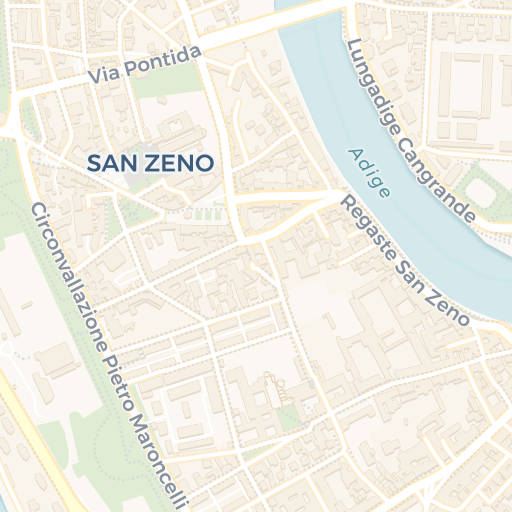
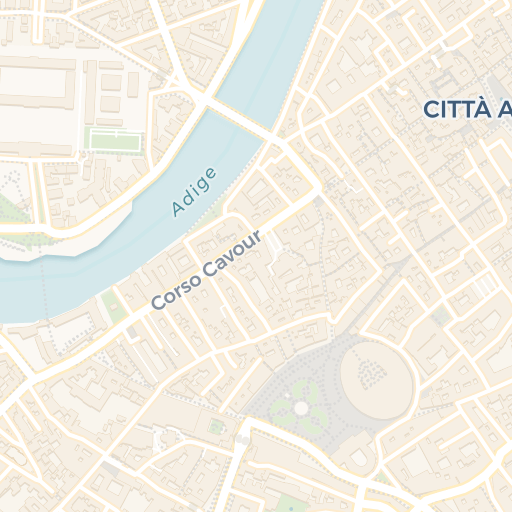
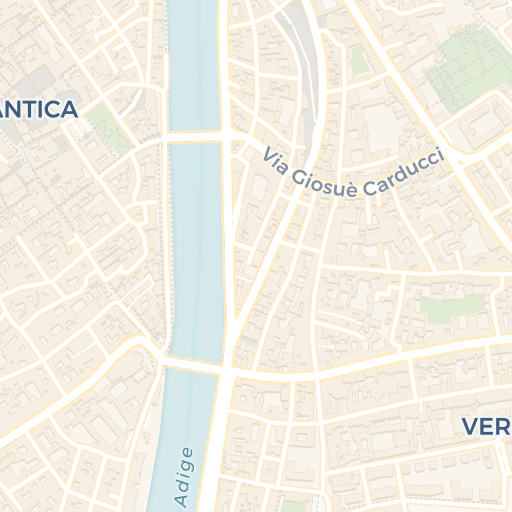
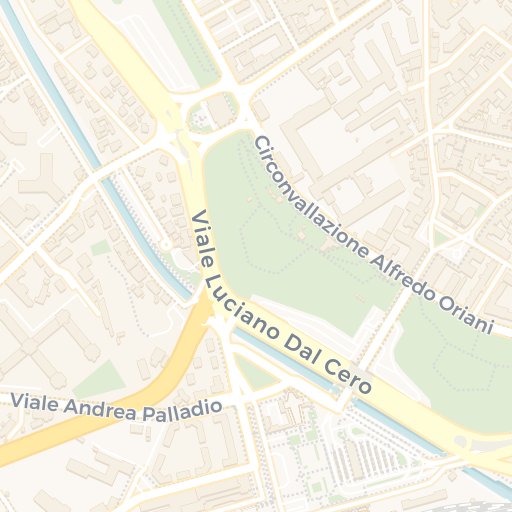
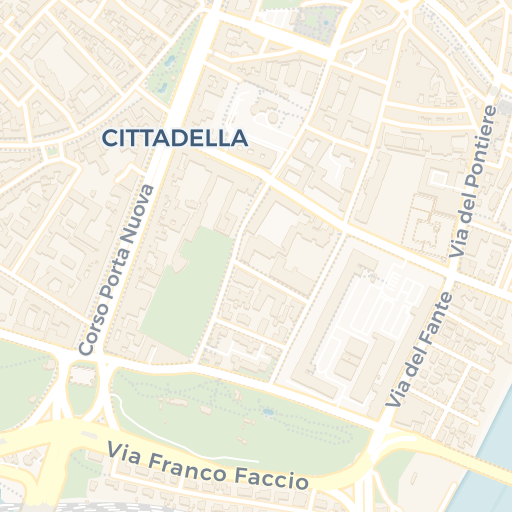
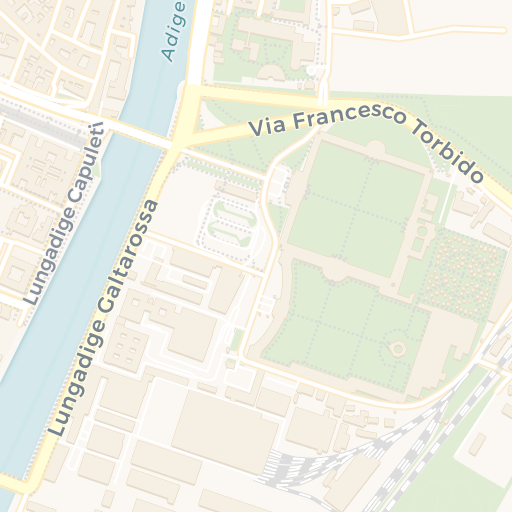
Get directions Open in Apple Maps
© OpenStreetMap contributors · © CARTO · 45.43902, 10.99493
Plan your visit
Admission: €10 · Daytime self-guided visit; opera/concert performance tickets are priced separately and vary
What is free
The exterior. The Ala — the four surviving arches of the outer ring — and the whole second ring that faces Piazza Bra are read from the open square, free, at any hour. On performance nights the square itself fills with people who have come to listen from outside.
The boundary is the ticket control on the Piazza Bra side. Everything past it is the interior visit: the arena floor, the tiers and the vaulted passages of the second ring.
Which visit are you making
Daytime sightseeing and an evening performance are separate tickets, separate entrances and separate experiences. Buying one does not admit you to the other, and this is the most common mistake made here.
Timing, and the trap that catches people
Best: the first hour after opening, on a day with no performance. The floor is clear, the tiers are empty, and the stone has not yet taken the heat.
Avoid: the afternoon of a performance day in the summer season. From spring into autumn, stage construction and events restrict the monument and shorten daytime opening — on many performance days the daytime visit closes in the early afternoon while the set goes up. The official Arena calendar is the only reliable source for a specific date; check it before fixing the day, not after.
Seating, if you are coming for a performance
The unreserved gradinata — the upper stone steps — is the cheapest seat and the closest thing to the Roman experience: bare stone, no backs, no numbers. Places are taken in order of arrival, so come early. Cushions are rented at the entrance and are worth it over a three-hour opera. Candles are handed out before curtain-up because those tiers have no lighting of their own.
Access and footing
Many routes and seating areas involve steep, worn stone steps, and shade is limited at any hour. Accessibility changes with temporary installations through the season, so visitors with mobility needs should confirm the available route for their specific date in advance rather than relying on a general description.
When to visit
The opera festival runs roughly from mid-June to early September, and this is when the Arena draws its largest crowds, both for performances and for daytime visits in the surrounding hours. Visitors who want to see the amphitheater without a performance crowd tend to prefer late spring or early autumn, just outside festival season, when daytime access is less restricted by evening staging setup.
Within festival season, early dates in June and weeknight performances generally see smaller crowds than the peak weeks of July and August or weekend dates.