

Giardino Giusti
Última atualização em 3 de novembro de 2026O que torna Giardino Giusti especial
One of the few Italian Renaissance gardens that still has its original structure, and it is legible in a way most are not: geometry and control on the flat, then a cypress avenue running straight up the axis into wooded hillside that gets deliberately wilder as it climbs. The grotesque stone mask halfway up marks the transition. At the top is a belvedere over the whole city.
O desafio para quem visita
Skip it if you:
- are coming for flowers — this is a garden of geometry, stone and evergreen, not of planting
- cannot manage a real hillside; the upper garden is stepped, steep and uneven
A estratégia de visita
A melhor época do ano para visitar
April to June is the garden at its best -- everything in leaf and flower, and the climb still comfortable.
Late afternoon gives the best light along the cypress avenue and from the belvedere.
September and October are quieter and still green.
July and August are hot on an exposed limestone hillside; go early if you go then.
Winter is bare but rarely busy, and the structure of a formal garden reads more clearly without its planting.
Dados rápidos
- Tipo: Jardim
- Entrada: €14–€13
- Reserva: Não é necessária — bilhetes na bilheteira
- Visita típica: Cerca de 1 hora
- Construído: Laid out from the 1570s
- Construído por: Agostino Giusti
- Estilo arquitetónico: Jardim renascentista italiano
- A mask that breathed fire: The mascherone at the head of the cypress avenue was rigged to emit smoke and flame -- Renaissance garden design as entertainment, not only as horticulture.
- Goethe stopped here in 1786: The garden was a Grand Tour fixture; Goethe singled out its cypresses in his Italian Journey, and Mozart visited as a boy.
- Património Mundial da UNESCO: Sim


Bilhetes e entrada
What is free
Very little, and that is worth knowing before you walk over. The garden is walled: the cypress avenue, the terraces, the grottoes and the belvedere are all inside the ticket, and there is no vantage point from the street.
Admission is €14, reduced to €10 for students, Verona residents, Verona Card holders and groups. It is free for a visitor with a disability who needs a companion and for teachers accompanying a school class.
The boundary is the door on Via Giardino Giusti; everything past the entrance hall is ticketed.
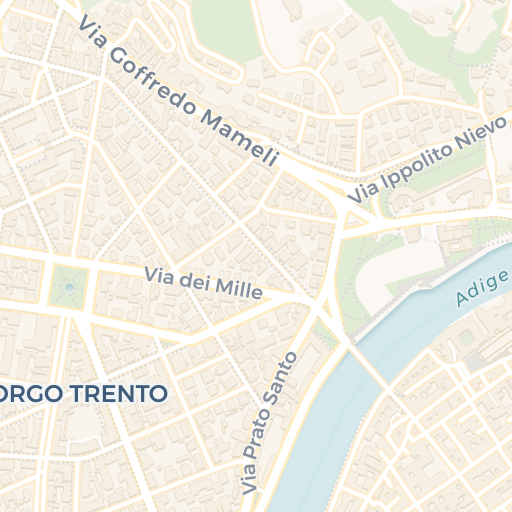
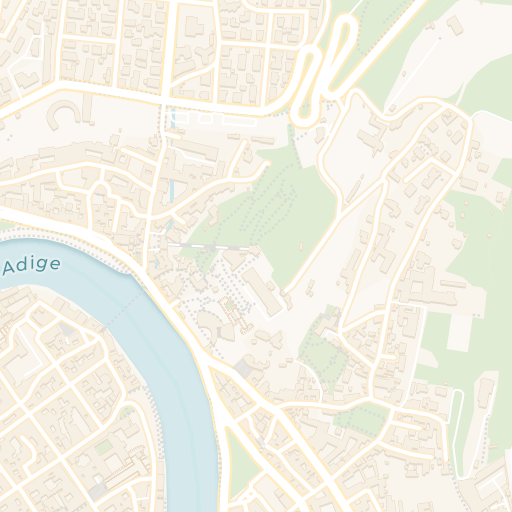
It is about a ten-minute walk from Ponte Nuovo or Ponte Pietra, on the same bank as the Roman theatre and easily combined with it.
Opening hours are seasonal, closing earlier in winter. It can close in high wind, given the trees.
Allow an hour, or longer if you climb slowly and sit at the top.
The lower garden is level and accessible. The upper garden, the belvedere and the grottoes are reached by steep steps and rough paths and are not accessible.
There is little shade on the climb; bring water in summer.
Planeie a sua visita
Entrada: €14–€13 · Privately owned and maintained; higher than the city’s church tickets
Preços verificados em setembro de 2026
O jardim cobra entrada — mais alta do que a maioria dos bilhetes de igreja de Verona, por ser propriedade privada e manter-se com os seus próprios meios — e está incluída no Verona Card.
O que é gratuito
Muito pouco, e vale a pena sabê-lo antes de atravessar a cidade. O jardim é murado: a alameda de ciprestes, os terraços, as grutas e o belvedere estão todos dentro do bilhete, e da rua não há ponto de onde o ver.
A entrada custa 14 €, reduzida a 10 € para estudantes, residentes em Verona, portadores do Verona Card e grupos. É gratuita para uma pessoa com deficiência que precise de acompanhante e para professores que acompanham uma turma.
A fronteira é a porta da via Giardino Giusti: passado o átrio, tudo é pago.
São cerca de dez minutos a pé da Ponte Nuova ou da Ponte Pietra, na mesma margem do teatro romano e fácil de combinar com ele.
Os horários são sazonais e fecham mais cedo no inverno. Pode fechar com vento forte, por causa das árvores.
Conte com uma hora, ou mais se subir devagar e se sentar lá em cima.
O jardim baixo é plano e acessível. Ao jardim alto, ao miradouro e às grutas chega-se por degraus íngremes e caminhos rudes, e não são acessíveis.
Há pouca sombra na subida; leve água no verão.
Verificado em Giardino Giusti, outubro de 2026.
Visita responsável
Este é um jardim de propriedade privada, mantido com as suas receitas de bilheteira depois de mais de quatro séculos na mesma família. O bilhete é o ponto — é o que o preserva.
Mantenha-se nos caminhos e nas aleias de saibro. Os canteiros de buxo são sebes recortadas que recuperam devagar, e a encosta erode onde as pessoas cortam caminho.
Os estragos da tempestade de 2020 ainda estão a ser reparados e há árvores jovens a pegar. Não trepe a terraços, muros ou ao mascherone.
Não colha nada, incluindo citrinos dos vasos.
O jardim é pequeno e sossegado por desenho. Vir fora das horas de maior movimento preserva aquilo para que ele realmente serve.