

Rialto Market
Last updated on September 13, 2026Overview
The Rialto Market has supplied Venice with fresh fish, fruit, and vegetables for close to a thousand years, spread across two adjoining sections beside the Grand Canal. It remains a genuine working market rather than a tourist reconstruction -- locals still shop here every morning, alongside visitors drawn by the noise, color, and the Neo-Gothic fish hall itself.
Quick facts
- Type: Market, Historic Place
- Local name: Mercato di Rialto (vedi la pagina italiana)
- Visitor access: Open to visitors
- Built: Pescheria building 1907 (market active since the 11th century)
- Designed by: Domenico Rupolo (Pescheria building)
- Architectural style: Neo-Gothic
Visit responsibly
This is a working food market where people are doing their jobs and their shopping, not a heritage display with an admission price. The single most useful thing a visitor can do is buy something -- fruit, a paper cone of fried fish, anything -- rather than photograph the stalls and leave.
Photographing vendors and their displays at close range without asking is the standing complaint here, and some stallholders have put up signs about it. A nod or a question first changes the interaction completely, and the answer is usually yes.
The aisles between the Pescheria's columns are narrow and full of people carrying things. Stopping in the middle of one to frame a shot obstructs the trade the market exists for; the edges give a better view anyway.
Rialto is among the most crowded points in Venice, and the market is one of the few genuinely functional things left in the middle of it. Treating it as a shop rather than a sight is what keeps it viable -- a market that stops selling to Venetians becomes a food court.
Where it is
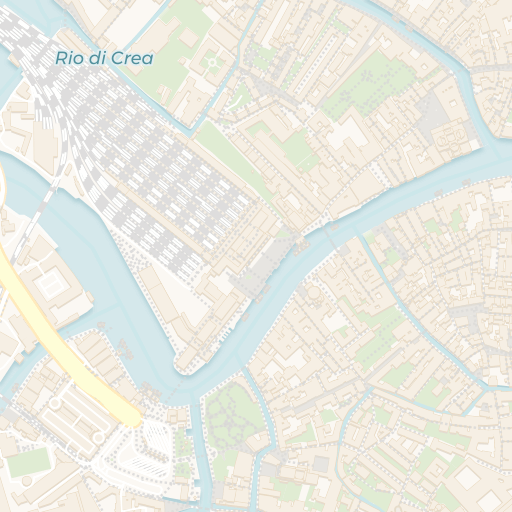
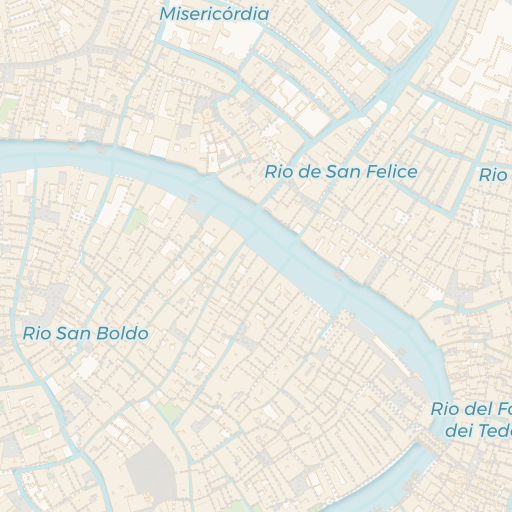
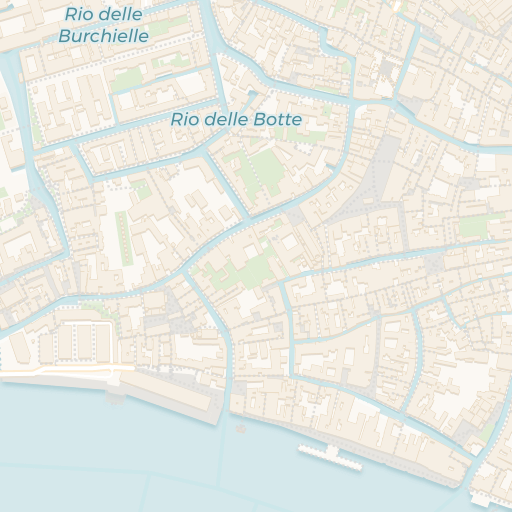
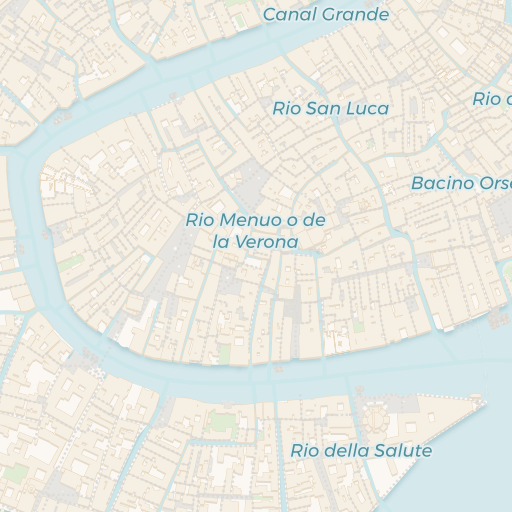
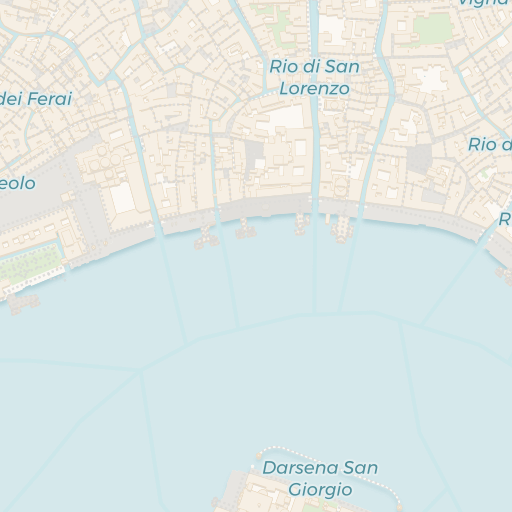
Get directions Open in Apple Maps
© OpenStreetMap contributors · © CARTO · 45.43964, 12.33452
Plan your visit
The Erberia (produce market) is open Monday to Saturday, roughly 7:30 a.m. to 1:30 p.m.; the Pescheria (fish market) keeps shorter hours, Tuesday to Saturday, roughly 7:30 a.m. to noon. Both are closed Sundays, and the fish market is also closed Mondays. Arriving early in the morning gives the best sense of the market in full swing, well before the stalls start closing for the day.
When to visit
This is a market with two different closing times and one of them catches people out. The Erberia (fruit and vegetables) runs Monday to Saturday until about 1.30pm; the Pescheria (fish) runs Tuesday to Saturday and stops around noon. Arrive at midday on a Monday and there is no fish market at all.
Before 8am is the market as a workplace: restaurant buyers, trolleys, boats unloading, and almost no visitors. From about 10am it becomes a mixed scene of shoppers and photographers, and by 12.30 the stalls are being hosed down.
Sunday is closed entirely, and the surrounding lanes are quiet enough that people arrive not realising there is a market here at all.
Seasonally, the lagoon's own specialities are what make the trip worth timing: moeche, the soft-shell crabs caught during the moulting weeks in spring and again in autumn, and castraure, the first artichokes from Sant'Erasmo, in April and May.