

Basílica de Sant’Anastasia
Última actualización el 3 de noviembre de 2026Qué hace especial Basílica de Sant’Anastasia
The biggest church in Verona, and the one people walk past because the front was never finished. Inside it is the opposite of a northern Gothic cathedral: wide, calm and horizontal, carried on twelve columns of pink and red Verona marble that do most of the work. High in a chapel by the choir is Pisanello’s fresco of Saint George setting out to kill the dragon — small, awkwardly placed, and one of the few surviving works by the painter who defined late Gothic courtly art.
Visit if you:
- want Italian Gothic, which is a different animal from the French kind
El reto para quien visita
Skip it if you:
- judge a church by its facade — this one was never finished and never will be
- are not drawn to interiors; almost everything worth coming for here is inside
La estrategia de visita
La mejor época del año para visitar
Late morning and early afternoon give the most daylight in the Pellegrini Chapel, which is otherwise dim.
Spring and autumn are the comfortable seasons in Verona; the interior is cool in summer, which is its own argument.
Avoid Sunday morning unless attending Mass.
The church is busy in the middle of the day in season because it sits on the main route between Piazza delle Erbe and Ponte Pietra, but never approaches the Arena's crowds.
Datos rápidos
- Tipo: Iglesia
- Entrada: €4
- Reserva: No hace falta — entradas en taquilla
- Visita típica: Unos 45 minutos
- Construido: Begun 1290; facade never completed
- Construido para: the Dominican order
- Estilo arquitectónico: Gótico italiano
- Confesión: Católica romana
- Pisanello, high on a chapel wall: St George and the Princess, painted around 1436-38 in the Pellegrini Chapel, is among the finest surviving works of International Gothic -- and is awkwardly placed enough that most visitors walk past it.
- The largest church in Verona: Begun in 1290 and built over two centuries; the marble cladding intended for the facade was never applied, so it remains bare brick above its carved portal.
- Patrimonio de la Humanidad de la UNESCO: Sí
Dónde está
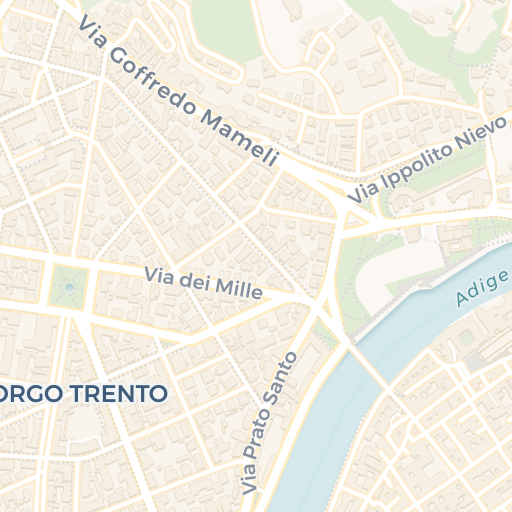
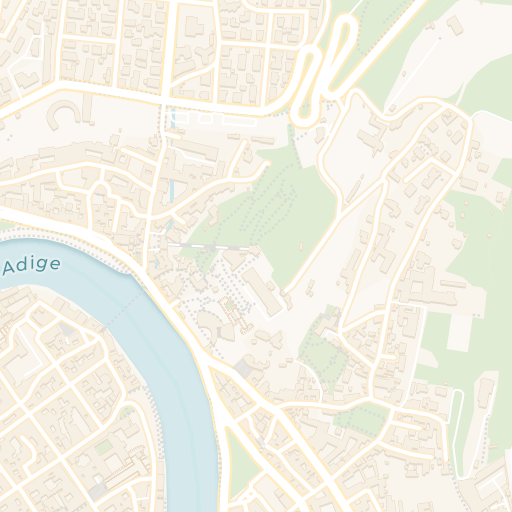
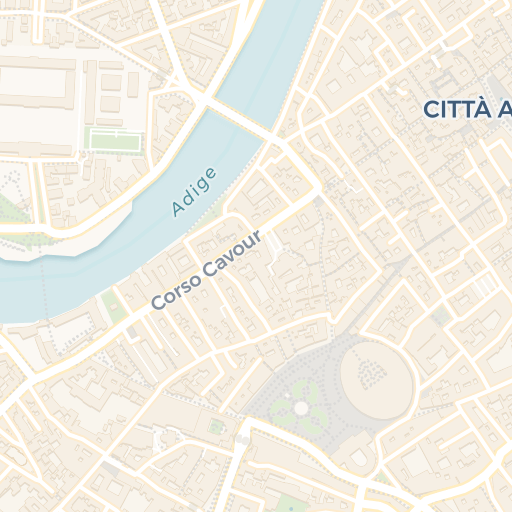
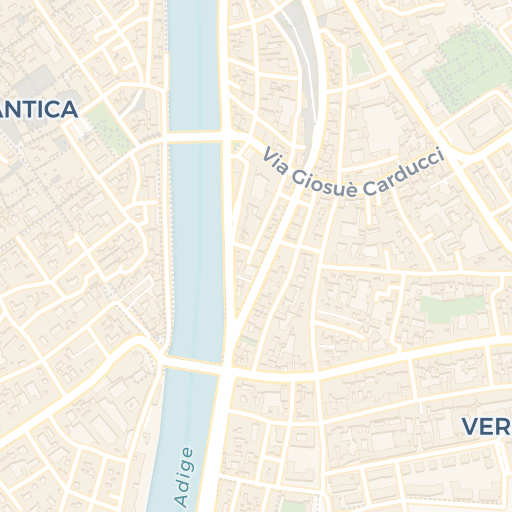
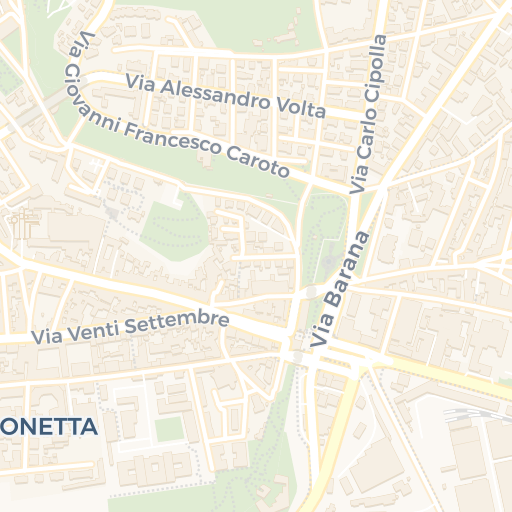
Cómo llegar Abrir en Apple Maps
© OpenStreetMap contributors · © CARTO · 45.4453, 10.9986
Entradas y acceso
What is free
The exterior costs nothing — the great unfinished brick front on the piazza, and the flank running down towards the river.
Inside, the ticket is €4 (€8 for the four-church pass), waived for residents of Verona, its province and diocese, children under 11, members of religious orders, registered guides, journalists, military personnel, and a visitor with a disability plus one companion.
The boundary is the desk inside the door. The Pisanello fresco and the two gobbi holding the holy-water stoups are on the ticketed side of it.
It stands close to Ponte Pietra and a few minutes' walk from Piazza delle Erbe, so it is easy to combine with the centre.
Opening hours are seasonal and shorter on Sunday mornings, when Mass takes precedence.
Allow thirty to forty-five minutes. Bring coins for the chapel lighting -- the Pisanello is very hard to read otherwise.
The church is level and step-free at the main entrance and is among the more accessible of Verona's churches.
Shoulders and knees should be covered.
Planifica tu visita
Entrada: €4 · Single-church ticket; a combined ticket covers four of Verona’s churches
Sant’Anastasia cobra una entrada pequeña y está cubierta por la Verona Card y por el billete combinado de iglesias.
Qué es gratis
El exterior no cuesta nada: el gran frente de ladrillo que quedó sin terminar sobre la plaza, y el flanco que baja hacia el río.
Dentro, la entrada cuesta 4 € (8 € el billete conjunto de cuatro iglesias) y es gratuita para los residentes en Verona, su provincia y su diócesis, los menores de 11 años, los religiosos, los guías acreditados, los periodistas, los militares y una persona con discapacidad con un acompañante.
El límite es el mostrador nada más pasar la puerta. El fresco de Pisanello y los dos gobbi que sostienen las pilas de agua bendita quedan del lado de pago.
Está junto al Ponte Pietra y a unos minutos a pie de la piazza delle Erbe, así que es fácil de combinar con el centro.
El horario es estacional y más corto los domingos por la mañana, cuando la misa tiene preferencia.
Calcula de treinta a cuarenta y cinco minutos. Lleva monedas para la iluminación de la capilla: el Pisanello es muy difícil de leer sin ella.
La iglesia está a nivel y sin escalones en la entrada principal y es de las más accesibles de Verona.
Hombros y rodillas deben ir cubiertos.
Verificado en Chiese Vive, octubre de 2026.
Visita responsable
Una iglesia en activo además de un monumento: guarda silencio, mantente al margen de los oficios y no fotografíes a quien esté rezando.
Sin flash. El Pisanello es una pintura mural frágil del siglo XV que ya ha perdido muchísimo; usa en su lugar la iluminación de monedas, que está ahí precisamente para eso.
No toques los gobbi, por tentador que sea. La talla está visiblemente desgastada por siglos de manos.
El billete combinado de iglesias es lo que mantiene estos edificios. Comprarlo en vez de una entrada suelta reparte el dinero entre iglesias que reciben muchos menos visitantes que esta.