

Basílica de Sant’Anastasia
Última atualização em 3 de novembro de 2026O que torna Basílica de Sant’Anastasia especial
The biggest church in Verona, and the one people walk past because the front was never finished. Inside it is the opposite of a northern Gothic cathedral: wide, calm and horizontal, carried on twelve columns of pink and red Verona marble that do most of the work. High in a chapel by the choir is Pisanello’s fresco of Saint George setting out to kill the dragon — small, awkwardly placed, and one of the few surviving works by the painter who defined late Gothic courtly art.
Visit if you:
- want Italian Gothic, which is a different animal from the French kind
O desafio para quem visita
Skip it if you:
- judge a church by its facade — this one was never finished and never will be
- are not drawn to interiors; almost everything worth coming for here is inside
A estratégia de visita
A melhor época do ano para visitar
Late morning and early afternoon give the most daylight in the Pellegrini Chapel, which is otherwise dim.
Spring and autumn are the comfortable seasons in Verona; the interior is cool in summer, which is its own argument.
Avoid Sunday morning unless attending Mass.
The church is busy in the middle of the day in season because it sits on the main route between Piazza delle Erbe and Ponte Pietra, but never approaches the Arena's crowds.
Dados rápidos
- Tipo: Igreja
- Entrada: €4
- Reserva: Não é necessária — bilhetes na bilheteira
- Visita típica: Cerca de 45 minutos
- Construído: Begun 1290; facade never completed
- Construído para: the Dominican order
- Estilo arquitetónico: Gótico italiano
- Confissão: Católica romana
- Pisanello, high on a chapel wall: St George and the Princess, painted around 1436-38 in the Pellegrini Chapel, is among the finest surviving works of International Gothic -- and is awkwardly placed enough that most visitors walk past it.
- The largest church in Verona: Begun in 1290 and built over two centuries; the marble cladding intended for the facade was never applied, so it remains bare brick above its carved portal.
- Património Mundial da UNESCO: Sim
Bilhetes e entrada
What is free
The exterior costs nothing — the great unfinished brick front on the piazza, and the flank running down towards the river.
Inside, the ticket is €4 (€8 for the four-church pass), waived for residents of Verona, its province and diocese, children under 11, members of religious orders, registered guides, journalists, military personnel, and a visitor with a disability plus one companion.
The boundary is the desk inside the door. The Pisanello fresco and the two gobbi holding the holy-water stoups are on the ticketed side of it.
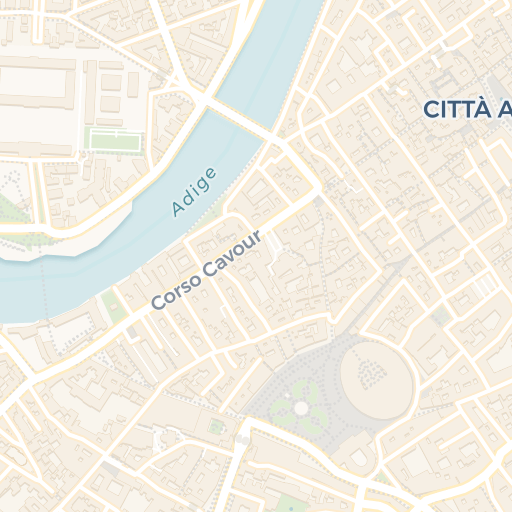
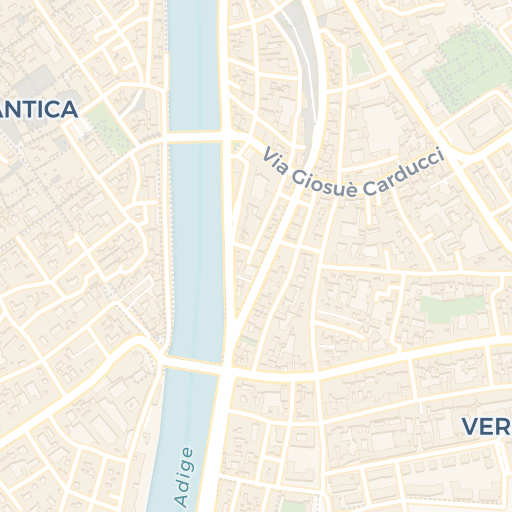
It stands close to Ponte Pietra and a few minutes' walk from Piazza delle Erbe, so it is easy to combine with the centre.
Opening hours are seasonal and shorter on Sunday mornings, when Mass takes precedence.
Allow thirty to forty-five minutes. Bring coins for the chapel lighting -- the Pisanello is very hard to read otherwise.
The church is level and step-free at the main entrance and is among the more accessible of Verona's churches.
Shoulders and knees should be covered.
Planeie a sua visita
Entrada: €4 · Single-church ticket; a combined ticket covers four of Verona’s churches
Sant’Anastasia cobra uma entrada pequena e está coberta pelo Verona Card e pelo bilhete combinado das igrejas.
O que é gratuito
O exterior não custa nada: a grande frente de tijolo que ficou por acabar sobre a praça, e o flanco que desce para o rio.
Lá dentro o bilhete é de 4 € (8 € o bilhete conjunto de quatro igrejas) e é gratuito para residentes em Verona, na província e na diocese, crianças com menos de 11 anos, religiosos, guias credenciados, jornalistas, militares e uma pessoa com deficiência acompanhada.
A fronteira é o balcão logo a seguir à porta. O fresco de Pisanello e os dois gobbi que seguram as pias de água benta ficam do lado pago.
Fica junto à Ponte Pietra e a poucos minutos a pé da piazza delle Erbe, pelo que é fácil de combinar com o centro.
Os horários são sazonais e mais curtos ao domingo de manhã, quando a missa tem prioridade.
Conte com trinta a quarenta e cinco minutos. Leve moedas para a iluminação da capela — sem ela o Pisanello é muito difícil de ler.
A igreja está ao nível e sem degraus na entrada principal e é das mais acessíveis de Verona.
Ombros e joelhos devem ir cobertos.
Verificado em Chiese Vive, outubro de 2026.
Visita responsável
Uma igreja em actividade além de um monumento: mantenha-se em silêncio, fique fora das celebrações e não fotografe quem esteja a rezar.
Sem flash. O Pisanello é uma pintura mural frágil do século XV que já perdeu muitíssimo; use antes a iluminação a moedas, que está ali precisamente para isso.
Não toque nos gobbi, por mais tentador que seja. A escultura está visivelmente gasta por séculos de mãos.
O bilhete combinado das igrejas é o que mantém estes edifícios. Comprá-lo em vez de uma entrada avulsa espalha o dinheiro por igrejas que recebem muito menos visitantes do que esta.