

Castelvecchio
Última actualización el 3 de noviembre de 2026Qué hace especial Castelvecchio
A Scaliger fortress of the 1350s holding a civic art collection, and the reason to come is what the twentieth century did to it. Between 1958 and 1974 Carlo Scarpa rebuilt the interior as a museum without pretending the castle was not there: he cut openings, suspended walkways, left old and new plainly distinct, and hung the Cangrande equestrian statue outdoors on a concrete cantilever where you meet it at its own height. It is among the most studied museum interventions anywhere, and the collection — Italian Gothic painting, medieval sculpture, Veronese and Tintoretto — is shown inside that argument rather than beside it. The single ticket also covers the camminamento delle mura, the walk along the battlements, which most visitors never realise they have paid for.
El reto para quien visita
This is a museum inside a fortress, not a furnished castle, so visitors hoping for period interiors will find gallery rooms instead. Scarpa's route is the other difficulty, and it is deliberate: it doubles back, changes floor and reopens views you have already had, which is exactly what makes the building worth studying and exactly what makes it tiring. Floors are uneven and several short flights sit between rooms, so anyone with mobility needs should confirm the accessible route with the museum rather than assume a single level throughout.
La estrategia de visita
La mejor época del año para visitar
Late afternoon light along the Adige makes Ponte Scaligero and the castle's riverside façade especially photogenic, and crowds thin out compared with the Arena and city center earlier in the day.
El día de la visita
Walk the camminamento delle mura. The ticket is a single one and it covers the wall-walk as well as the museum rooms, which is not obvious from the desk and is the part most visitors miss.
Follow Scarpa's route in the order it is laid out rather than cutting across it. It doubles back, changes level and reopens views you have already had, and that is the thing the building is known for — rushing it leaves you with a small collection and no idea why anyone comes. Last admission is 17.15, so a late afternoon visit needs to start before five, not at five.
Datos rápidos
- Tipo: Castillo, Museo, Puente
- Acceso de visitantes: Abierto a los visitantes
- Entrada: €6
- Construido: 1354-1376
- Construido por: Cangrande II della Scala
- Construido para: a fortress and residence for the Scaliger family, doubling as a refuge against Verona's own citizens
- Diseñado por: Carlo Scarpa (1958-1964 restoration)
- Estilo arquitectónico: Gótico escalígero
- Ponte Scaligero's central span: the widest arch span of any bridge in the world when it was built
- Bridge destroyed and rebuilt: blown up by retreating German troops in 1945; rebuilt by 1957 using the original stones recovered from the riverbed
- Patrimonio de la Humanidad de la UNESCO: Sí
Dónde está
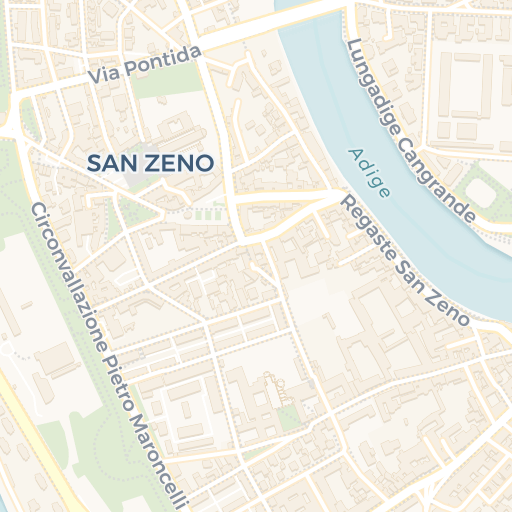
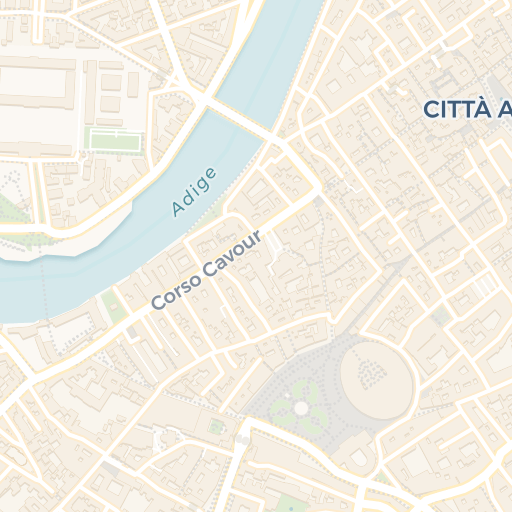
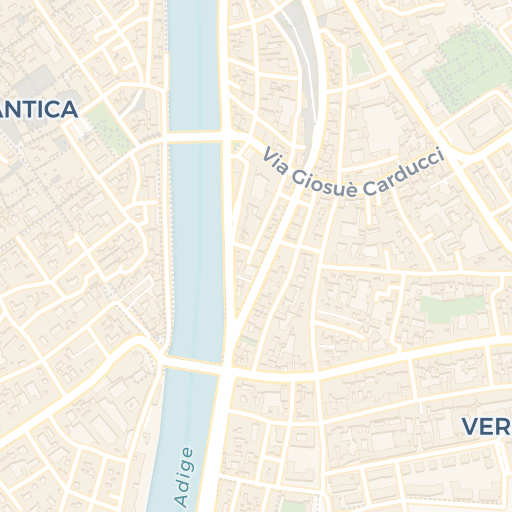
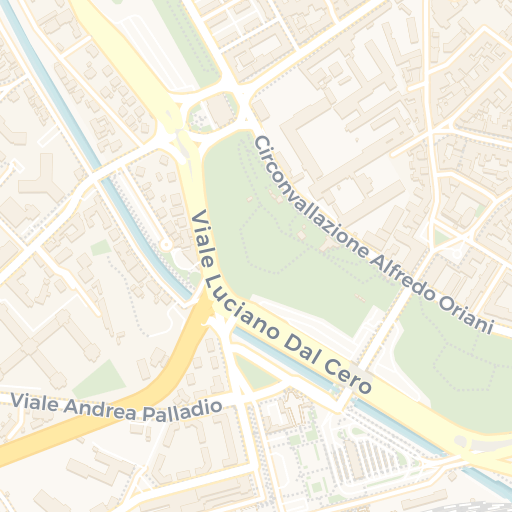
Cómo llegar Abrir en Apple Maps
© OpenStreetMap contributors · © CARTO · 45.4396, 10.98739
Entradas y acceso
What is free
Ponte Scaligero, the fortified bridge, is a public pedestrian right of way. You can walk it end to end, at any hour, without a ticket and independently of museum opening — most people crossing it do not realise it is part of the same complex. The outer courtyards and the river frontage are likewise open.
The boundary is the entrance to the keep off the inner courtyard, where the museum ticket is checked. Everything past that door is the Museo di Castelvecchio; the bridge is not.
Tickets and what they cover
The ticket admits you to the Museo di Castelvecchio, inside the castle. Admission and opening days are set by the Musei Civici di Verona and are worth confirming for your date; the VeronaCard covers entry if you hold one.
Planifica tu visita
Entrada: €6
Qué es gratis
El Ponte Scaligero, el puente fortificado, es una vía peatonal pública. Se puede recorrer de extremo a extremo, a cualquier hora, sin entrada y al margen del horario del museo — la mayoría de quienes lo cruzan no saben que forma parte del mismo conjunto. Los patios exteriores y el frente fluvial están igualmente abiertos.
El límite es la entrada a la torre del homenaje desde el patio interior, donde se controla la entrada. Todo lo que hay tras esa puerta es el Museo di Castelvecchio; el puente no.
Entradas y qué cubren
La entrada da acceso al Museo di Castelvecchio, dentro del castillo. El precio y los días de apertura los fijan los Musei Civici di Verona y conviene confirmarlos para tu fecha; la VeronaCard cubre el acceso si tienes una.
El momento
Lo mejor: el final de la tarde. El museo está más tranquilo en sus dos últimas horas, y la luz baja sobre el río es cuando el ladrillo y el puente merecen la fotografía.
A evitar: el mediodía en verano, cuando los patios retienen el calor y apenas ofrecen sombra.
Dentro
Calcula más tiempo del que sugiere el tamaño de la colección. El recorrido de Scarpa es deliberadamente indirecto — vuelve sobre sí mismo, cambia de nivel y reabre vistas que ya has tenido —, y apresurarlo arruina precisamente aquello por lo que el edificio es famoso. Los suelos son irregulares y hay varios tramos cortos de escalera entre salas, de modo que quien tenga necesidades de movilidad debería confirmar el itinerario accesible con el museo de antemano en vez de suponer un solo nivel. Son frecuentes los cierres temporales de salas sueltas.
Verificado en Visit Verona, octubre de 2026.
Visita responsable
El Ponte Scaligero sigue siendo una ruta peatonal en uso para los vecinos de Verona además de un monumento — es un cruce de verdad, no solo un mirador, y se agradece moverse a favor del flujo de peatones y no en contra.