

Castelvecchio
Zuletzt aktualisiert am 3. November 2026Was Castelvecchio besonders macht
A Scaliger fortress of the 1350s holding a civic art collection, and the reason to come is what the twentieth century did to it. Between 1958 and 1974 Carlo Scarpa rebuilt the interior as a museum without pretending the castle was not there: he cut openings, suspended walkways, left old and new plainly distinct, and hung the Cangrande equestrian statue outdoors on a concrete cantilever where you meet it at its own height. It is among the most studied museum interventions anywhere, and the collection — Italian Gothic painting, medieval sculpture, Veronese and Tintoretto — is shown inside that argument rather than beside it. The single ticket also covers the camminamento delle mura, the walk along the battlements, which most visitors never realise they have paid for.
Die Herausforderung für Besucher
This is a museum inside a fortress, not a furnished castle, so visitors hoping for period interiors will find gallery rooms instead. Scarpa's route is the other difficulty, and it is deliberate: it doubles back, changes floor and reopens views you have already had, which is exactly what makes the building worth studying and exactly what makes it tiring. Floors are uneven and several short flights sit between rooms, so anyone with mobility needs should confirm the accessible route with the museum rather than assume a single level throughout.
Die Besuchsstrategie
Die beste Jahreszeit für einen Besuch
Late afternoon light along the Adige makes Ponte Scaligero and the castle's riverside façade especially photogenic, and crowds thin out compared with the Arena and city center earlier in the day.
Am Tag des Besuchs
Walk the camminamento delle mura. The ticket is a single one and it covers the wall-walk as well as the museum rooms, which is not obvious from the desk and is the part most visitors miss.
Follow Scarpa's route in the order it is laid out rather than cutting across it. It doubles back, changes level and reopens views you have already had, and that is the thing the building is known for — rushing it leaves you with a small collection and no idea why anyone comes. Last admission is 17.15, so a late afternoon visit needs to start before five, not at five.
Kurzinfo
- Typ: Burg, Museum, Brücke
- Besucherzugang: Für Besucher geöffnet
- Eintritt: €6
- Erbaut: 1354-1376
- Erbaut von: Cangrande II della Scala
- Erbaut für: a fortress and residence for the Scaliger family, doubling as a refuge against Verona's own citizens
- Entworfen von: Carlo Scarpa (1958-1964 restoration)
- Baustil: Scaliger-Gotik
- Ponte Scaligero's central span: the widest arch span of any bridge in the world when it was built
- Bridge destroyed and rebuilt: blown up by retreating German troops in 1945; rebuilt by 1957 using the original stones recovered from the riverbed
- UNESCO-Weltkulturerbe: Ja
Wo es liegt
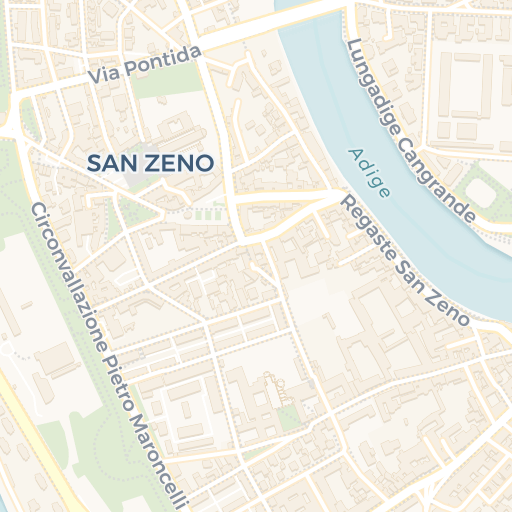
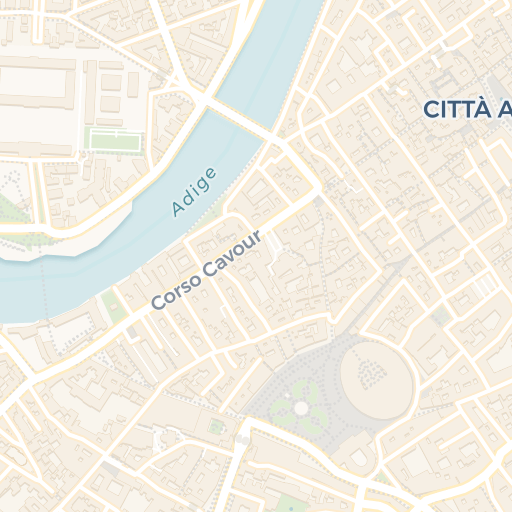
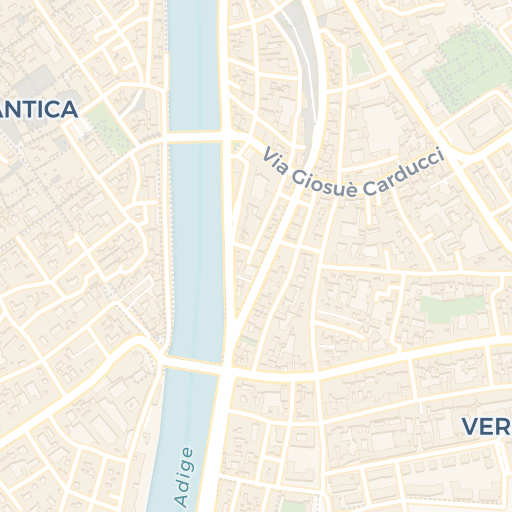
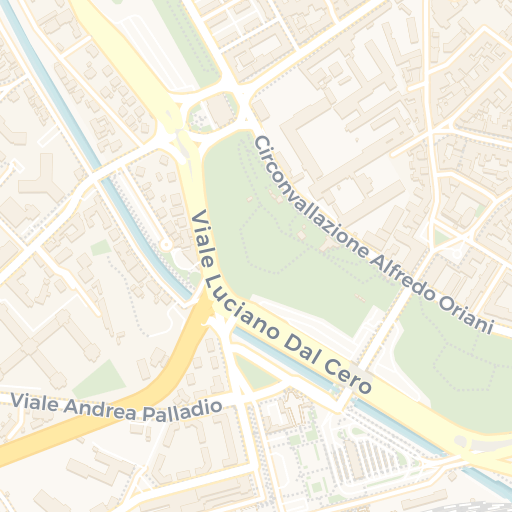
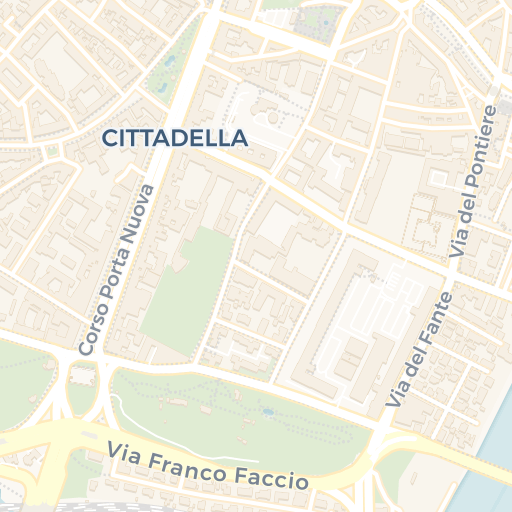
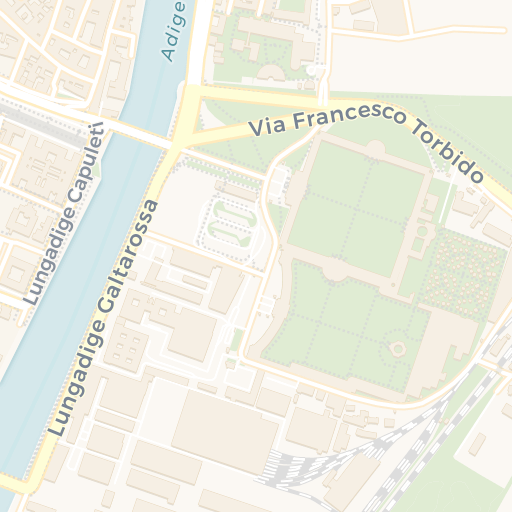
Route planen In Apple Karten öffnen
© OpenStreetMap contributors · © CARTO · 45.4396, 10.98739
Tickets und Eintritt
What is free
Ponte Scaligero, the fortified bridge, is a public pedestrian right of way. You can walk it end to end, at any hour, without a ticket and independently of museum opening — most people crossing it do not realise it is part of the same complex. The outer courtyards and the river frontage are likewise open.
The boundary is the entrance to the keep off the inner courtyard, where the museum ticket is checked. Everything past that door is the Museo di Castelvecchio; the bridge is not.
Tickets and what they cover
The ticket admits you to the Museo di Castelvecchio, inside the castle. Admission and opening days are set by the Musei Civici di Verona and are worth confirming for your date; the VeronaCard covers entry if you hold one.
Besuch planen
Eintritt: €6
Was kostenlos ist
Die Ponte Scaligero, die befestigte Brücke, ist ein öffentlicher Fußweg. Man kann sie von einem Ende zum anderen gehen, zu jeder Stunde, ohne Karte und unabhängig von den Museumszeiten — den meisten, die sie überqueren, ist nicht bewusst, dass sie zur selben Anlage gehört. Die äußeren Höfe und die Flussfront sind ebenso offen.
Die Grenze ist der Eingang zum Bergfried vom Innenhof aus, wo die Museumskarte kontrolliert wird. Alles hinter dieser Tür ist das Museo di Castelvecchio; die Brücke nicht.
Karten und was sie abdecken
Die Karte gilt für das Museo di Castelvecchio in der Burg. Eintritt und Öffnungstage legen die Musei Civici di Verona fest und sind für Ihr Datum eine Nachfrage wert; die VeronaCard deckt den Eintritt ab, wenn Sie eine haben.
Der Zeitpunkt
Am besten: der späte Nachmittag. Am ruhigsten ist das Museum in seinen letzten zwei Stunden, und das tiefe Licht über dem Fluss ist der Moment, in dem Backstein und Brücke eine Aufnahme wert sind.
Zu meiden: die Mittagszeit im Sommer, wenn die Höfe die Hitze halten und fast keinen Schatten bieten.
Drinnen
Planen Sie mehr Zeit ein, als die Größe der Sammlung vermuten lässt. Scarpas Weg ist bewusst indirekt — er führt zurück, wechselt die Ebene und öffnet Blicke erneut, die man schon hatte —, und ihn zu hetzen zerstört gerade das, wofür der Bau berühmt ist. Die Böden sind uneben, und zwischen den Räumen liegen mehrere kurze Treppen; Besucher mit eingeschränkter Mobilität sollten den barrierefreien Weg vorab beim Museum erfragen, statt durchgehend eine Ebene anzunehmen. Zeitweilige Schließungen einzelner Räume sind häufig.
Geprüft bei Visit Verona, Oktober 2026.
Verantwortungsvoll besuchen
Die Ponte Scaligero bleibt für die Veroneser ein genutzter Fußweg und nicht nur ein Wahrzeichen — sie ist ein echter Übergang und kein bloßer Aussichtspunkt, und es wird geschätzt, wenn man sich mit dem Fußgängerstrom bewegt statt gegen ihn.