

Arches scaligères
Dernière mise à jour le 3 novembre 2026Ce qui rend Arches scaligères unique
The della Scala family buried themselves in the street rather than inside their parish church, which was the whole point: stone canopies on columns, each holding a sarcophagus, each crowned by the dead lord on horseback in full armour, visible to anyone walking past. They are among the finest Gothic funerary monuments in Italy, and they occupy a space barely larger than a courtyard.
Visit if you:
- want Italian Gothic sculpture at close range and eye level
- have five minutes between Piazza dei Signori and the rest of the centre
La difficulté pour les visiteurs
Skip it if you:
- want to go inside — the tombs are seen through the ironwork from the street
- are planning a visit rather than a stop; twenty minutes covers it fully
La stratégie de visite
La meilleure période de l'année pour visiter
Morning light is best for photographing the tombs through the railing, which is otherwise awkward.
Any season works for a street-level look, since there is nothing to enter.
Early or late in the day avoids the flow between Piazza delle Erbe and Piazza dei Signori, which is heavy in the middle of the day in season.
To go inside the enclosure, check opening in advance -- it is not reliably open outside the main season.
Informations essentielles
- Type: Monument
- Réservation: Non requise — billets sur place
- Visite typique: Environ 20 minutes
- Construit: 14th century
- Construit pour: the della Scala lords of Verona
- Conçu par: Bonino da Campione (Cansignorio’s tomb)
- Style architectural: Gothique italien
- A coat of arms used as a fence: The wrought-iron enclosure repeats the della Scala emblem -- a ladder, scala -- over and over, turning the family arms into the structure that guards them.
- What the 2004 examination found: Cangrande I’s tomb was opened in 2004 and his body examined; the analysis found lethal levels of digitalis, consistent with the poisoning his contemporaries suspected.
- Site du patrimoine mondial de l'UNESCO: Oui
Où se trouve-t-il
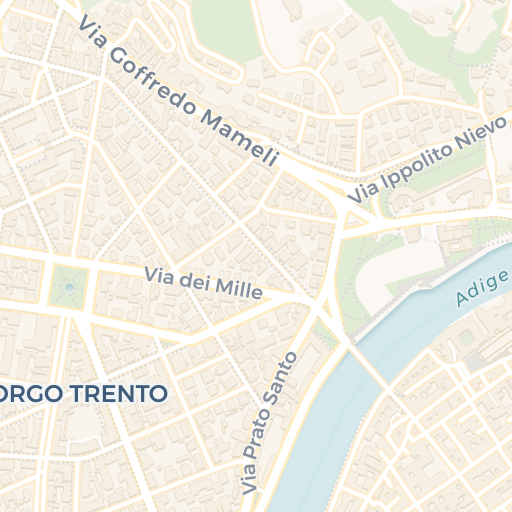
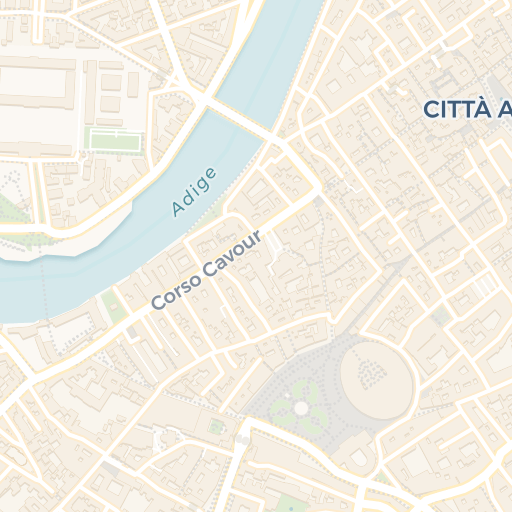
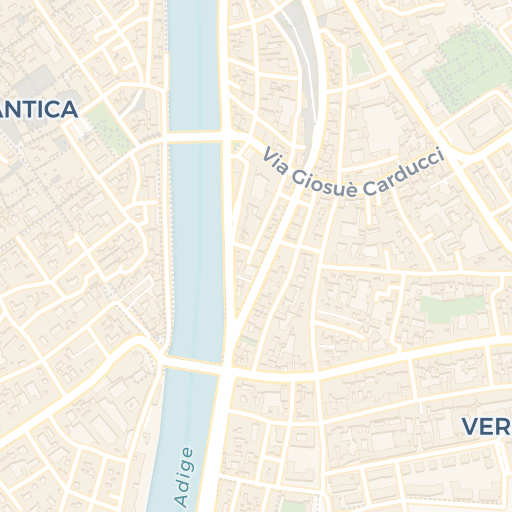
Itinéraire Ouvrir dans Apple Plans
© OpenStreetMap contributors · © CARTO · 45.4436, 10.9981
Planifiez votre visite
Les tombeaux sont visibles gratuitement depuis la rue à travers la grille de fer, ce qui est la façon dont la plupart les voient et qui suffit réellement — l’enclos est petit et les monuments sont hauts.
L’accès à l’intérieur de l’enclos est possible sur billet, souvent combiné avec la Torre dei Lamberti, mais l’ouverture est limitée et saisonnière.
Ils se dressent à côté de Santa Maria Antica, à une minute à pied de la piazza dei Signori et à cinq de la piazza delle Erbe.
Prévoyez quinze à vingt minutes. C’est un arrêt au sein d’une promenade dans le centre plutôt qu’une destination.
La rue au-dehors est de plain-pied et accessible ; l’enclos lui-même a un pavage historique inégal.
Visite responsable
Les tombeaux sont en marbre blanc exposé, resté à l’air libre depuis sept siècles, et leur état s’en ressent. Ne touchez pas la pierre de la grille et ne vous appuyez pas sur l’enclos.
C’est une rue étroite sur un itinéraire piéton fréquenté. Les photographes qui s’arrêtent à la grille la bloquent facilement — écartez-vous plutôt que de rester dans le flux.
Santa Maria Antica, à côté, est une église en activité ; restez silencieux près de sa porte.
Voir la statue originale de Cangrande à Castelvecchio plutôt que la seule copie d’ici vaut le billet du musée, et soutient la collection qui la conserve.