

Arcas escalígeras
Última atualização em 3 de novembro de 2026O que torna Arcas escalígeras especial
The della Scala family buried themselves in the street rather than inside their parish church, which was the whole point: stone canopies on columns, each holding a sarcophagus, each crowned by the dead lord on horseback in full armour, visible to anyone walking past. They are among the finest Gothic funerary monuments in Italy, and they occupy a space barely larger than a courtyard.
Visit if you:
- want Italian Gothic sculpture at close range and eye level
- have five minutes between Piazza dei Signori and the rest of the centre
O desafio para quem visita
Skip it if you:
- want to go inside — the tombs are seen through the ironwork from the street
- are planning a visit rather than a stop; twenty minutes covers it fully
A estratégia de visita
A melhor época do ano para visitar
Morning light is best for photographing the tombs through the railing, which is otherwise awkward.
Any season works for a street-level look, since there is nothing to enter.
Early or late in the day avoids the flow between Piazza delle Erbe and Piazza dei Signori, which is heavy in the middle of the day in season.
To go inside the enclosure, check opening in advance -- it is not reliably open outside the main season.
Dados rápidos
- Tipo: Monumento
- Reserva: Não é necessária — bilhetes na bilheteira
- Visita típica: Cerca de 20 minutos
- Construído: 14th century
- Construído para: the della Scala lords of Verona
- Projetado por: Bonino da Campione (Cansignorio’s tomb)
- Estilo arquitetónico: Gótico italiano
- A coat of arms used as a fence: The wrought-iron enclosure repeats the della Scala emblem -- a ladder, scala -- over and over, turning the family arms into the structure that guards them.
- What the 2004 examination found: Cangrande I’s tomb was opened in 2004 and his body examined; the analysis found lethal levels of digitalis, consistent with the poisoning his contemporaries suspected.
- Património Mundial da UNESCO: Sim
Planeie a sua visita
Os túmulos são visíveis gratuitamente da rua através do gradeamento de ferro, que é como a maioria os vê e é genuinamente suficiente — o recinto é pequeno e os monumentos são altos.
O acesso ao interior do recinto é possível com bilhete, muitas vezes combinado com a Torre dei Lamberti, mas a abertura é limitada e sazonal.
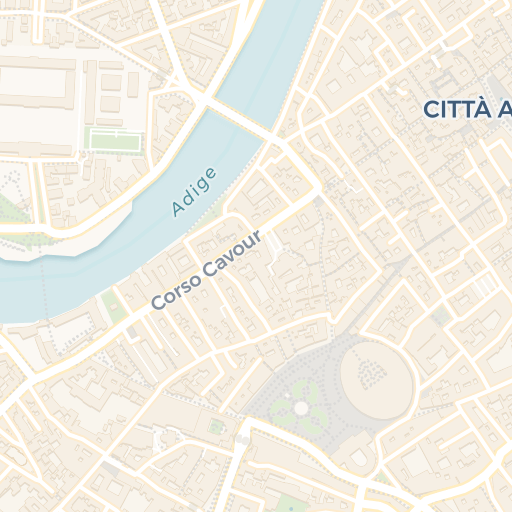
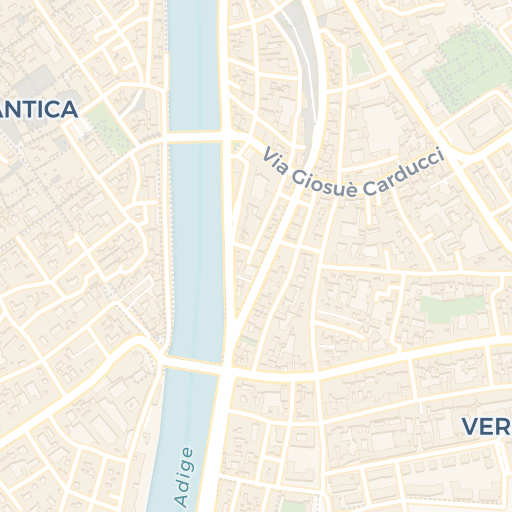
Ficam ao lado de Santa Maria Antica, a um minuto a pé da piazza dei Signori e a cinco da piazza delle Erbe.
Conte com quinze a vinte minutos. É uma paragem dentro de um passeio pelo centro, e não um destino.
A rua lá fora está ao nível e é acessível; o recinto em si tem calçada histórica irregular.
Visita responsável
Os túmulos são mármore branco exposto, que está ao ar livre há sete séculos, e o seu estado mostra-o. Não toque na pedra do gradeamento nem se encoste ao recinto.
Esta é uma rua estreita num percurso pedonal movimentado. Quem fotografa e pára junto ao gradeamento bloqueia-o com facilidade — afaste-se em vez de ficar no fluxo.
Santa Maria Antica, ao lado, é uma igreja em actividade; mantenha-se em silêncio junto à sua porta.
Ver a estátua original de Cangrande em Castelvecchio, e não apenas a cópia daqui, compensa o bilhete do museu e apoia a colecção que a conserva.