

Church of the Eremitani
Last updated on September 7, 2026Overview
The Eremitani is a large Augustinian church next door to the Scrovegni Chapel, and it is the site of one of the worst single losses of Italian Renaissance painting. Its Ovetari Chapel was frescoed by Andrea Mantegna in his twenties; an Allied bomb destroyed almost all of it on 11 March 1944. What is here now is partly survival, partly reconstruction, and worth seeing for both.
Quick facts
- Type: Church
- Local name: Chiesa degli Eremitani (vedi la pagina italiana)
- Admission: Free
- Built: 1276-1306
- Architectural style: Gothic
- Denomination: Roman Catholic
- What survived 1944: An Allied bomb destroyed Mantegna's Ovetari Chapel in March 1944; two frescoes had been removed beforehand and fragments of the rest were reassembled over decades.
- Mantegna at seventeen: He began the chapel around 1448, barely out of his teens, and its perspective experiments shaped everything that followed.
Visit responsibly
An active parish church, free to enter and reliant on donations, with a restoration programme behind it that ran for decades.
The Ovetari Chapel is a war memorial as much as an art-historical site. It is presented plainly, without drama, and the appropriate response is the same.
Going in at all is the useful thing here: this is a significant building standing beside one of Italy's most-booked attractions and receiving a tiny fraction of its visitors.
Where it is
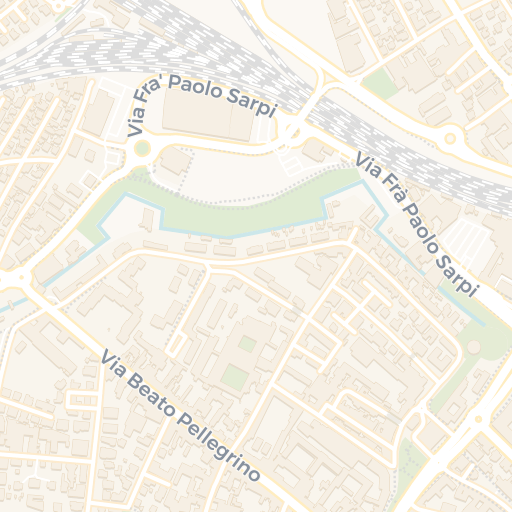
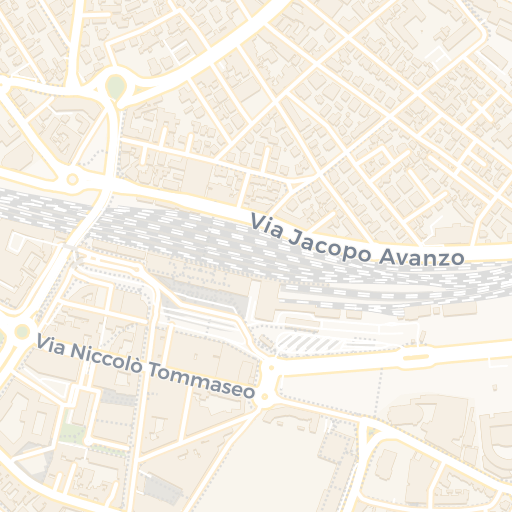
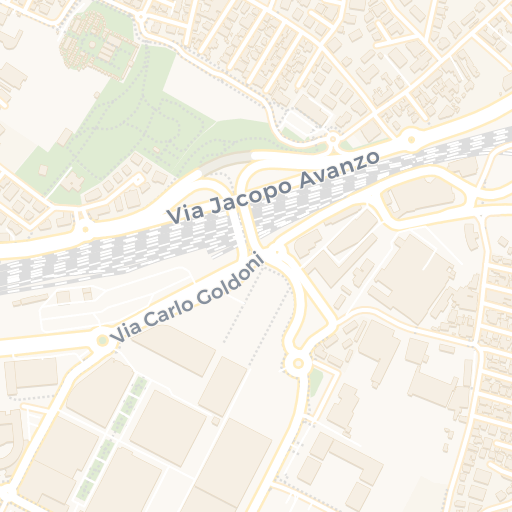
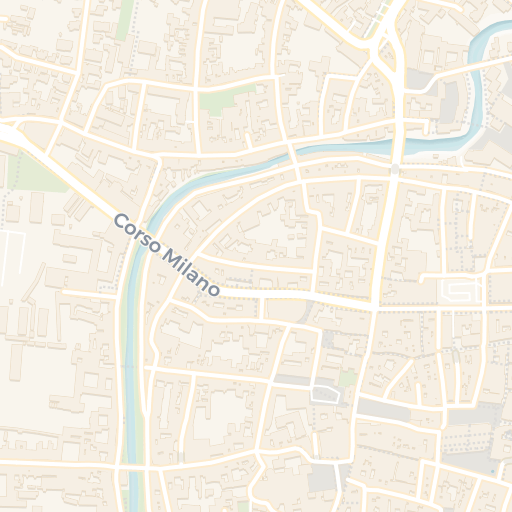
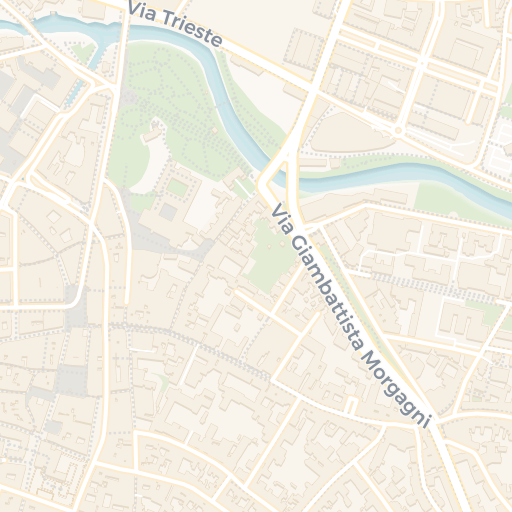
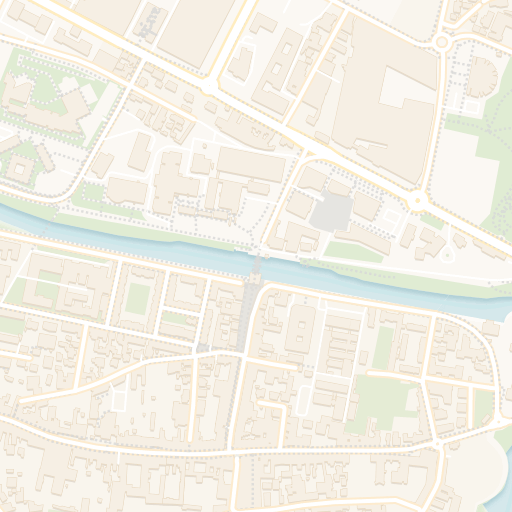
Get directions Open in Apple Maps
© OpenStreetMap contributors · © CARTO · 45.4113, 11.8794
Plan your visit
Admission: Free
The church is free to enter and keeps parish hours, closing over the middle of the day. It is immediately beside the Scrovegni Chapel ticket office, so it is easy to combine with a booked chapel slot -- and, unlike the chapel, needs no reservation at all. About ten minutes on foot from the railway station.
When to visit
Pair it with a Scrovegni Chapel booking: the chapel admits you for a fixed short slot, and the Eremitani fills the time either side without any planning.
The interior is dim and largely daylit, so a bright day helps with the apse frescoes and the Ovetari fragments alike.
It is almost never crowded, even when the queue for the chapel next door is long.