

Torre dei Lamberti
Última atualização em 3 de novembro de 2026O que torna Torre dei Lamberti especial
Visit if you:
- like Romanesque brickwork, and the point where it stops
- prefer rooftop views without a queue the length of the Arena’s
O desafio para quem visita
Skip it if you:
- cannot manage the final flight — the lift stops short of the viewing level
- are uneasy with height or confined stairs; the upper shaft is narrow and exposed
- want the view without the climb, in which case Castel San Pietro has a funicular
A estratégia de visita
A melhor época do ano para visitar
Late afternoon is the best light from the top -- low sun across the roofscape, with the Alps sometimes visible to the north on a clear day.
Early morning is quietest; the lift queues build through the middle of the day, particularly at weekends.
Spring and autumn are the comfortable seasons. The viewing platform is fully exposed and Verona is very hot in July and August.
Winter gives the sharpest air and the clearest long views, and there is almost no queue.
Note that the bells still ring, which at close range is memorable and extremely loud.
Dados rápidos
- Tipo: Local histórico, Torre
- Acesso de visitantes: Aberto a visitantes
- Entrada: €8
- Construído: Begun 1172; raised 1448-1464
- Construído por: The Lamberti family
- Estilo arquitetónico: Românico e gótico
- Altura: 84 m
- Verona’s tallest tower: At 84 metres it is the highest in the city. Lightning struck it in 1403, and the damage led to the heightening carried out between 1448 and 1464.
- Two bells, two jobs: The Rengo called citizens to arms and summoned the council; the Marangona rang for fire and marked the working hours of the city’s craftsmen.
Onde fica
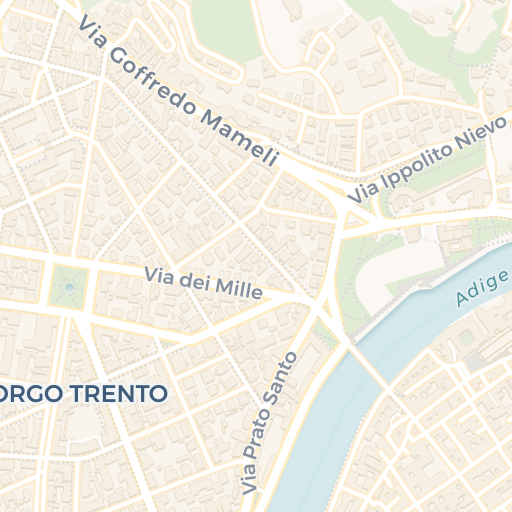
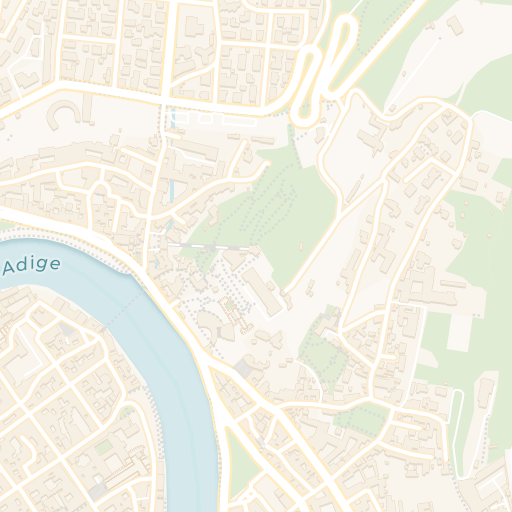
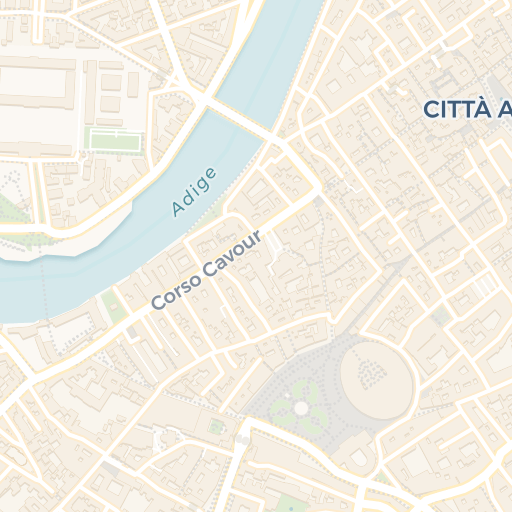
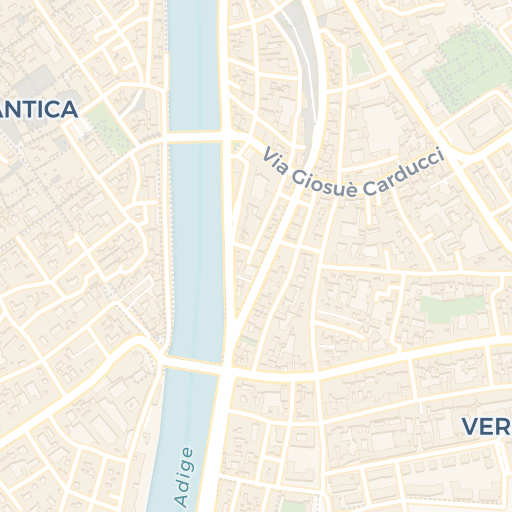
Como chegar Abrir no Apple Maps
© OpenStreetMap contributors · © CARTO · 45.44298, 10.99772
Bilhetes e entrada
What is free
The Cortile Mercato Vecchio, the courtyard the tower rises from, is open and free — you can walk in, look up the full height of the shaft and see the join between the twelfth-century work and the fifteenth-century campaign without paying anything. The tower is also the most visible thing in Piazza delle Erbe, which costs nothing either.
The boundary is the ticket desk inside that courtyard. Past it are the lift, the stairs and the viewing level.
Planeie a sua visita
Entrada: €8 · Usually combined with the civic art gallery in the same complex
O que é gratuito
O Cortile Mercato Vecchio, o pátio de onde a torre arranca, está aberto e é gratuito — pode entrar-se, olhar a toda a altura do fuste e ver a junta entre a obra do século XII e a campanha do XV sem pagar nada. A torre é além disso o que mais se vê da piazza delle Erbe, que também não custa nada.
O limite é a bilheteira dentro desse pátio. Para lá dela ficam o elevador, as escadas e o nível do miradouro.
Como entrar
A entrada fica no Cortile Mercato Vecchio, o pátio por trás da torre, e não pela piazza delle Erbe, de onde a torre mais se vê — esta é aqui a volta inútil ao quarteirão mais frequente. O preço e a hora de última entrada são fixados pelo operador oficial e o bilhete costuma ser combinado com a galeria de arte cívica instalada no mesmo conjunto medieval; o VeronaCard cobre-o.
A subida
Um elevador cobre a maior parte da altura mas fica aquém do nível do miradouro, deixando um último lanço de escadas. A escada superior é estreita, o nível do parapeito é pequeno e há pouco espaço para as pessoas se cruzarem, pelo que a circulação é por vezes regulada quando há movimento. Quem tenha mobilidade reduzida deve confirmar o percurso exacto antes de reservar, em vez de confiar em «há elevador».
A altura certa
Melhor: a primeira hora, ou a última. A luz do meio-dia achata os telhados e a plataforma está mais cheia precisamente quando as praças lá em baixo estão.
Vale a pena saber: os sinos estão directamente acima do nível do miradouro e tocam a curta distância. O topo é exposto nos dois sentidos — sem sombra no verão e com todo o vento no inverno.
Verificado em Visit Verona, outubro de 2026.
Visita responsável
A escada estreita e o nível do miradouro deixam pouco espaço para as pessoas se cruzarem. Parar longe dos pontos mais concorridos deixa lugar no parapeito, e o pessoal pode regular a circulação quando a afluência ou o tempo tornam o nível superior menos confortável.