

Porta Borsari
Dernière mise à jour le 3 novembre 2026Ce qui rend Porta Borsari unique
A Roman public works department boasted about its schedule here, and the boast is still legible. The inscription across the front records the rebuilding of Verona's walls under Gallienus in 265 AD. It specifies that the work took 259 days.
The gate has been a checkpoint under two administrations. Romans probably called it Porta Iovia, after a temple of Jupiter nearby. The modern name comes from the medieval bursarii, who stood here and took duty from anyone bringing goods into the city. Shops now press against both sides and traffic runs through the carriageways. The street carries on doing what the gate was built to control.
La difficulté pour les visiteurs
There is no ticket desk, no interpretation panel and nobody to ask, so the gate gives up nothing to a visitor who does not already know what they are looking at. It is also not set apart as a monument: shops are built hard against both sides and the street still runs through it, which is the most interesting thing about it and the reason most people walk through without noticing.
La stratégie de visite
La meilleure période de l'année pour visiter
Early morning is the only time the street is empty enough to photograph the gate without people and delivery vans.
Late afternoon light falls on the front and picks out the carving and the inscription.
Any season works -- there is nothing to close.
Evenings are pleasant, when the gate is lit and the street is on the passeggiata route.
Le jour de la visite
Stop in the middle of the carriageway and look up. That is the entire difference between seeing Porta Borsari and walking through it, which is what almost everyone does — the gate has no ticket desk, no panels and nobody to ask, so if you do not stop, nothing happens.
Read the inscription on the front, then notice how the shops are built hard against both sides and the street still runs where the carriageways were. Chain it with the Arco dei Gavi a few minutes west and Porta Leoni south of Piazza delle Erbe: the three make an hour's Roman walk that costs nothing.
Informations essentielles
- Type: Monument
- Réservation: Non requise — billets sur place
- Visite typique: Environ 10 minutes
- Construit: 1st century B.C.; stone facade added 1st century A.D.
- Style architectural: Romain
- 259 days, and they said so: The inscription records the rebuilding of Verona’s walls under Gallienus in 265 AD and specifies that the work took 259 days -- a construction boast cut in stone.
- Named after the toll collectors: Its Roman name was probably Porta Iovia, after a nearby temple of Jupiter. "Borsari" comes from the medieval bursarii who took duty from anyone bringing goods through.
- Site du patrimoine mondial de l'UNESCO: Oui
Où se trouve-t-il
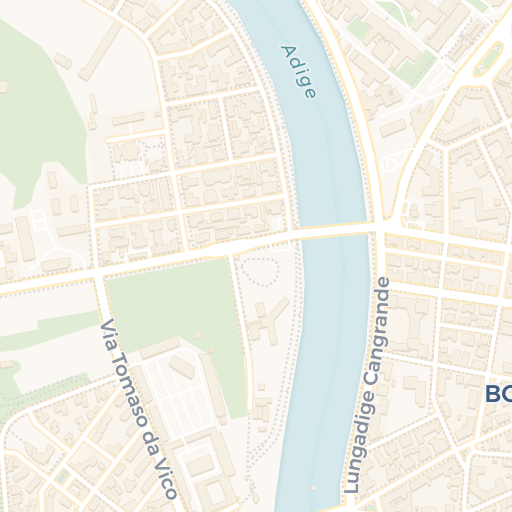
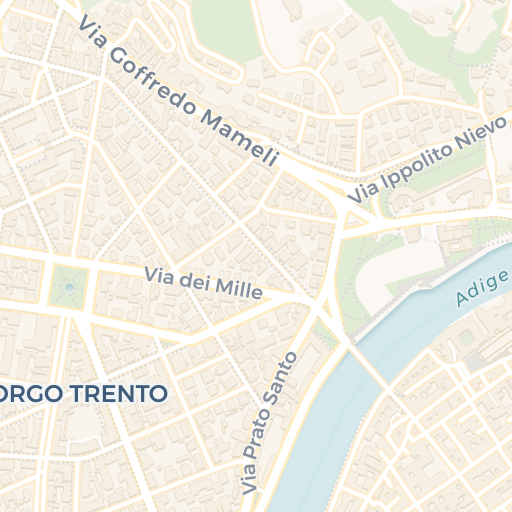
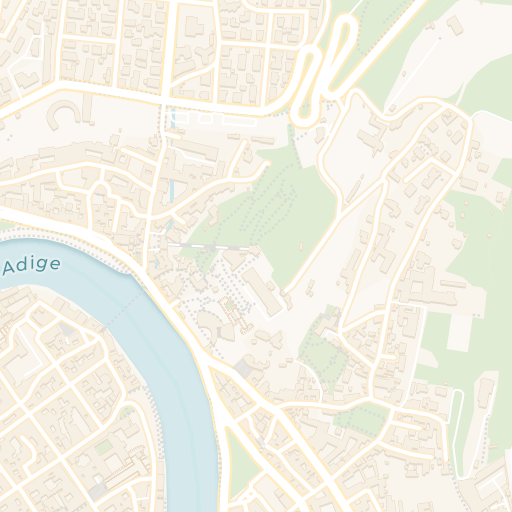
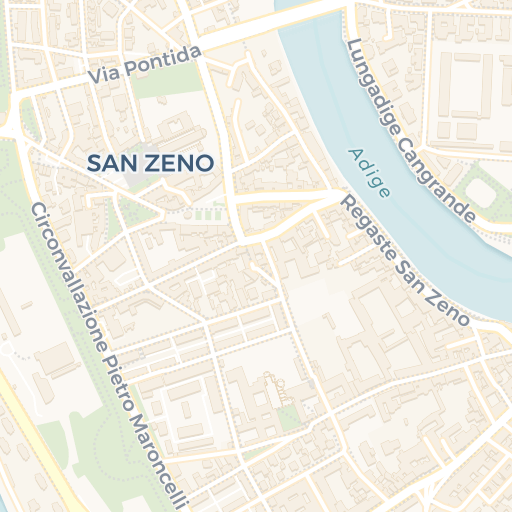
Itinéraire Ouvrir dans Apple Plans
© OpenStreetMap contributors · © CARTO · 45.4433, 10.9942
Planifiez votre visite
La Porta Borsari est gratuite, ouverte et sans billet — elle se dresse dans une rue publique et il n’y a rien à pénétrer ni à réserver.
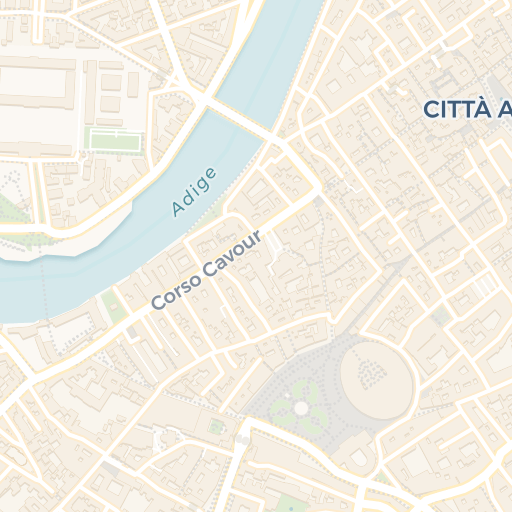
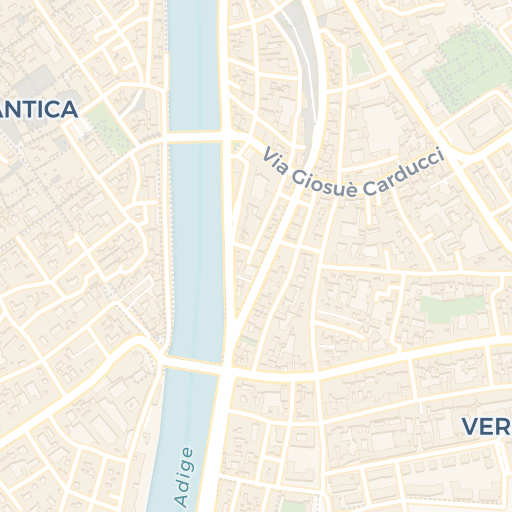
Elle est à l’extrémité ouest du corso Porta Borsari, à cinq minutes à pied de la piazza delle Erbe, sur le chemin naturel entre le centre et Castelvecchio.
C’est un arrêt de cinq à dix minutes. La plupart la voient en passant ; s’arrêter et lever les yeux fait toute la différence.
La rue est de plain-pied et entièrement accessible.
Elle se combine naturellement avec l’Arco dei Gavi, à quelques minutes à l’ouest, et la Porta Leoni, au sud de la piazza delle Erbe — les trois composent une courte promenade romaine.
Visite responsable
C’est une rue commerçante piétonne fréquentée et la porte est plantée dedans. Les photographes qui s’arrêtent dans les arcs bloquent le passage — écartez-vous.
Ne touchez pas la pierre et ne vous y appuyez pas. C’est du calcaire vieux de deux mille ans, sans protection, au contact quotidien d’une ville : remarquable, et précaire aussi.
Les boutiques de part et d’autre sont des commerces véronais ordinaires et non des établissements touristiques ; la rue fonctionne mieux quand les gens la traversent.