

Arco dei Gavi
Última actualización el 15 de noviembre de 2026El Arco dei Gavi se alza junto a Castelvecchio en Verona, y dos cosas suyas son insólitas.
Primero, es un monumento privado. Los arcos romanos solían ser imperiales; este lo levantó en el siglo I d. C. la gens Gavia, una familia veronesa acaudalada, para sí misma.
Segundo, está firmado. El arquitecto, un liberto llamado Lucio Vitruvio Cerdón, grabó en él su nombre: algo que muy pocos edificios romanos llevan en ningún sitio.
Y lo que está en pie tampoco está donde estaba. Las tropas napoleónicas lo derribaron en 1805; las piedras se guardaron, y en 1932 se volvió a montar aquí.
El reto para quien visita
The two things worth seeing are unlabelled. The architect's signature and the cart ruts in the displayed paving are what make this arch unusual, and nothing on site points at either — visitors who do not know to look see a handsome arch and move on in ninety seconds.
It is not where it stood. Napoleonic troops took the arch down in 1805; the stones were kept and it was rebuilt on this spot in 1932, which changes what you are looking at and is not obvious from in front of it.
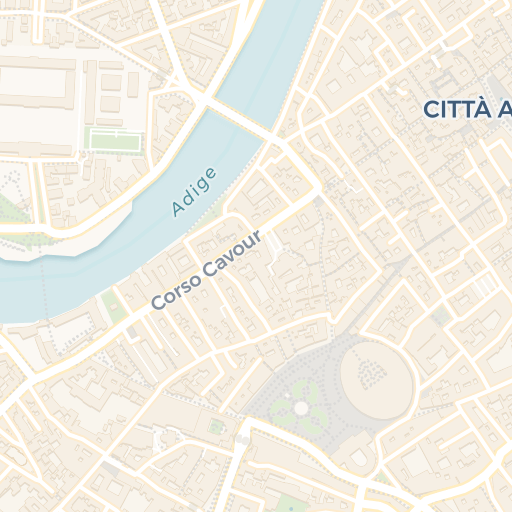
And it stands beside a busy road. Corso Cavour carries traffic right past it, so the arch is seen and photographed with cars going by rather than in any kind of quiet.
Consejos y estrategia de visita
Cuándo ir
Late afternoon gives the best light on the arch and on Castelvecchio behind it.
Any season -- it stands in the open with nothing to close.
Early morning is quietest; Corso Cavour is a busy road and the arch sits beside it.
Evenings when it is lit, on the walk between the centre and Castelvecchio bridge.
Cómo aprovecharlo al máximo
Look for the signature first. Lucius Vitruvius Cerdo, a freedman, cut his name into the arch — knowing that before you arrive is the difference between a two-minute stop and a monument that means something.
Then look down. The Roman paving at the foot of the arch carries wheel ruts worn into the stone, which is the most direct physical trace of Roman traffic anywhere in central Verona.
Walk it with Porta Borsari and Porta Leoni. The three together make a Roman circuit through the centre that costs nothing and takes about an hour — far better value than the arch visited alone.
Late afternoon for the light, early morning for the quiet; Castelvecchio is immediately next door and its bridge is the natural continuation.
Cuánto cuesta
Nothing. The arch stands in the open on a public street with no gate, no ticket and no closing time.
The displayed Roman paving at its foot is open ground too, part of the same unenclosed site.
The Comune's own page for the monument gives it a street address — corso Cavour, 2 — and publishes no admission, no hours and no enclosure, which is what a free-standing street monument looks like in the municipal record.
Castelvecchio next door is ticketed, and that is a separate visit with its own charge.
Verificado en Comune di Verona, noviembre de 2026.
Cómo llegar y entrar
Entrada: Gratis
El arco es gratuito y siempre accesible, al aire libre junto a Castelvecchio en el corso Cavour. Nada que reservar ni que pagar.
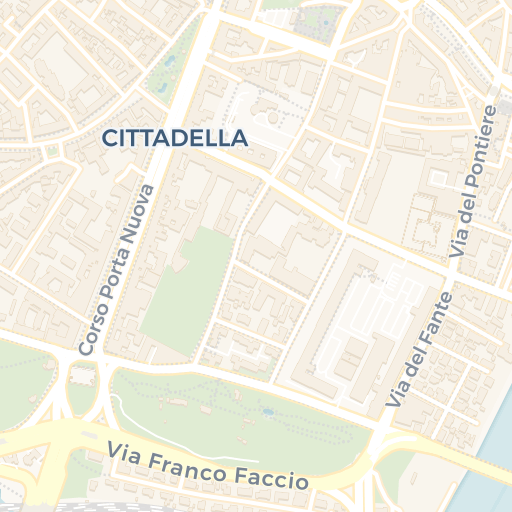
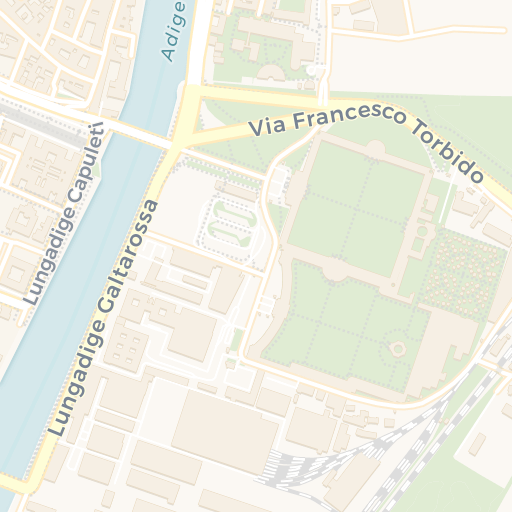
Está a diez minutos a pie al oeste de la piazza delle Erbe, inmediatamente al lado de Castelvecchio y su puente, así que los dos van juntos de forma natural.
Calcula diez minutos. Busca la firma y las roderas del pavimento: sin ellas es un arco hermoso y poco más.
El lugar está a nivel y es plenamente accesible.
Combinado con Porta Borsari y Porta Leoni, compone un paseo romano por el centro que no cuesta nada y lleva alrededor de una hora.
Accesibilidad del lugar
An unenclosed street monument with no gate, no ticket desk and no closing time, which removes every barrier a building would impose: there is nothing to enter.
It is seen from the street. The arch stands in the open on Corso Cavour and reads completely from the pavement, so it can be visited without leaving a made-up surface.
The traffic is the real hazard. Corso Cavour is a busy road running past the monument, and the best angles on the arch are the ones that tempt people towards the carriageway.
Not published, and not guessed: the surface of the ground immediately around the arch, and whether the displayed Roman paving at its foot can be reached level. The Comune's page for the monument is descriptive and carries no access information.
Datos rápidos
- Tipo: Monumento
- Entrada: Gratis
- Reserva: No hace falta — entradas en taquilla
- Visita típica: Unos 10 minutos
- Construido: 1st century AD; demolished 1805, reassembled 1932
- Construido para: the Gavia family
- Diseñado por: Lucius Vitruvius Cerdo
- Estilo arquitectónico: Romano
- A Roman building that names its architect: L. Vitruvius Cerdo, a freedman, signed the arch as its designer -- almost unheard of in Roman architecture, where buildings are credited to their patrons.
- Pulled down, kept, put back: Napoleonic troops demolished it in 1805, but the blocks were numbered and stored; it was reassembled beside Castelvecchio in 1932, near its original site rather than on it.
- Patrimonio de la Humanidad de la UNESCO: Sí
Visita responsable
El arco se alza junto a una vía con tráfico. Cuidado al cruzar, y no invadas la calzada al fotografiarlo.
No te subas al arco ni al pavimento romano expuesto. Las roderas son lo más frágil que hay aquí y lo más fácil de seguir desgastando.
No toques las inscripciones, tampoco la firma: las letras grabadas son exactamente lo que las manos erosionan primero.
Visitar Castelvecchio al lado apoya al museo que conserva buena parte del material romano y medieval de Verona, incluida la estatua original de Cangrande.