

Arco dei Gavi
Última atualização em 15 de novembro de 2026O Arco dei Gavi ergue-se ao lado de Castelvecchio em Verona, e duas coisas nele são invulgares.
Primeiro, é um monumento privado. Os arcos romanos eram normalmente imperiais; este foi erguido no século I d.C. pela gens Gavia, uma família veronesa abastada, para si própria.
Segundo, está assinado. O arquitecto, um liberto chamado Lúcio Vitrúvio Cerdo, gravou-lhe o nome — algo que muito poucos edifícios romanos trazem seja onde for.
E o que está de pé também não está onde estava. Tropas napoleónicas deitaram-no abaixo em 1805; as pedras foram guardadas, e em 1932 foi remontado aqui.
O desafio para quem visita
The two things worth seeing are unlabelled. The architect's signature and the cart ruts in the displayed paving are what make this arch unusual, and nothing on site points at either — visitors who do not know to look see a handsome arch and move on in ninety seconds.
It is not where it stood. Napoleonic troops took the arch down in 1805; the stones were kept and it was rebuilt on this spot in 1932, which changes what you are looking at and is not obvious from in front of it.
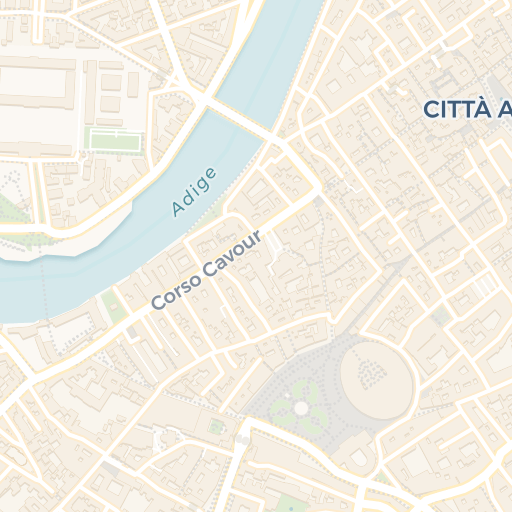
And it stands beside a busy road. Corso Cavour carries traffic right past it, so the arch is seen and photographed with cars going by rather than in any kind of quiet.
Dicas e estratégia de visita
Quando ir
Late afternoon gives the best light on the arch and on Castelvecchio behind it.
Any season -- it stands in the open with nothing to close.
Early morning is quietest; Corso Cavour is a busy road and the arch sits beside it.
Evenings when it is lit, on the walk between the centre and Castelvecchio bridge.
Como aproveitar ao máximo
Look for the signature first. Lucius Vitruvius Cerdo, a freedman, cut his name into the arch — knowing that before you arrive is the difference between a two-minute stop and a monument that means something.
Then look down. The Roman paving at the foot of the arch carries wheel ruts worn into the stone, which is the most direct physical trace of Roman traffic anywhere in central Verona.
Walk it with Porta Borsari and Porta Leoni. The three together make a Roman circuit through the centre that costs nothing and takes about an hour — far better value than the arch visited alone.
Late afternoon for the light, early morning for the quiet; Castelvecchio is immediately next door and its bridge is the natural continuation.
Quanto custa
Nothing. The arch stands in the open on a public street with no gate, no ticket and no closing time.
The displayed Roman paving at its foot is open ground too, part of the same unenclosed site.
The Comune's own page for the monument gives it a street address — corso Cavour, 2 — and publishes no admission, no hours and no enclosure, which is what a free-standing street monument looks like in the municipal record.
Castelvecchio next door is ticketed, and that is a separate visit with its own charge.
Verificado em Comune di Verona, novembro de 2026.
Como chegar e entrar
Entrada: Gratuito
O arco é gratuito e sempre acessível, ao ar livre ao lado de Castelvecchio no corso Cavour. Nada a marcar nem a pagar.
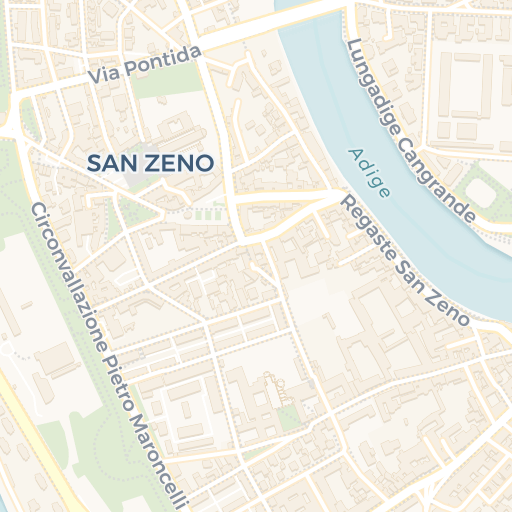
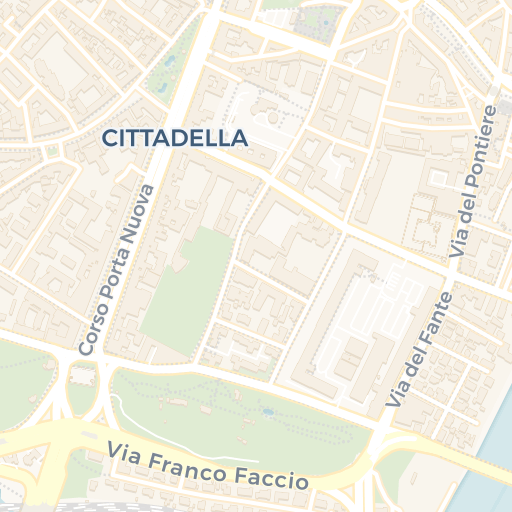
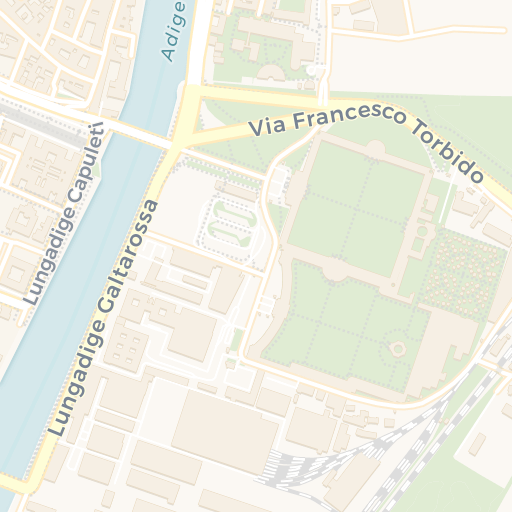
Fica a dez minutos a pé para poente da piazza delle Erbe, mesmo ao lado de Castelvecchio e da sua ponte, pelo que os dois vão naturalmente juntos.
Conte com dez minutos. Procure a assinatura e as rodeiras na calçada — sem elas é um arco bonito e pouco mais.
O local está ao nível e é totalmente acessível.
Combinado com Porta Borsari e Porta Leoni, compõe um percurso romano pelo centro que não custa nada e leva cerca de uma hora.
Acessibilidade do local
An unenclosed street monument with no gate, no ticket desk and no closing time, which removes every barrier a building would impose: there is nothing to enter.
It is seen from the street. The arch stands in the open on Corso Cavour and reads completely from the pavement, so it can be visited without leaving a made-up surface.
The traffic is the real hazard. Corso Cavour is a busy road running past the monument, and the best angles on the arch are the ones that tempt people towards the carriageway.
Not published, and not guessed: the surface of the ground immediately around the arch, and whether the displayed Roman paving at its foot can be reached level. The Comune's page for the monument is descriptive and carries no access information.
Dados rápidos
- Tipo: Monumento
- Entrada: Gratuito
- Reserva: Não é necessária — bilhetes na bilheteira
- Visita típica: Cerca de 10 minutos
- Construído: 1st century AD; demolished 1805, reassembled 1932
- Construído para: the Gavia family
- Projetado por: Lucius Vitruvius Cerdo
- Estilo arquitetónico: Romano
- A Roman building that names its architect: L. Vitruvius Cerdo, a freedman, signed the arch as its designer -- almost unheard of in Roman architecture, where buildings are credited to their patrons.
- Pulled down, kept, put back: Napoleonic troops demolished it in 1805, but the blocks were numbered and stored; it was reassembled beside Castelvecchio in 1932, near its original site rather than on it.
- Património Mundial da UNESCO: Sim
Visita responsável
O arco ergue-se junto a uma via movimentada. Cuidado ao atravessar, e não invada a faixa de rodagem para o fotografar.
Não trepe ao arco nem à calçada romana exposta. As rodeiras são o que aqui há de mais frágil e o mais fácil de continuar a gastar.
Não toque nas inscrições, incluindo a assinatura — as letras gravadas são exactamente o que as mãos desgastam primeiro.
Visitar Castelvecchio ao lado apoia o museu que conserva boa parte do material romano e medieval de Verona, incluindo a estátua original de Cangrande.