

Arco dei Gavi
Dernière mise à jour le 15 novembre 2026L’Arco dei Gavi se dresse à côté de Castelvecchio à Vérone, et deux choses le concernant sont inhabituelles.
D’abord, c’est un monument privé. Les arcs romains étaient normalement impériaux ; celui-ci a été élevé au Ier siècle apr. J.-C. par la gens Gavia, riche famille véronaise, pour elle-même.
Ensuite, il est signé. L’architecte, un affranchi nommé Lucius Vitruvius Cerdo, y a gravé son nom — ce que très peu de bâtiments romains portent où que ce soit.
Ce qui se dresse n’est pas non plus là où il se dressait. Les troupes napoléoniennes l’ont abattu en 1805 ; les pierres ont été conservées, et il a été remonté ici en 1932.
La difficulté pour les visiteurs
The two things worth seeing are unlabelled. The architect's signature and the cart ruts in the displayed paving are what make this arch unusual, and nothing on site points at either — visitors who do not know to look see a handsome arch and move on in ninety seconds.
It is not where it stood. Napoleonic troops took the arch down in 1805; the stones were kept and it was rebuilt on this spot in 1932, which changes what you are looking at and is not obvious from in front of it.
And it stands beside a busy road. Corso Cavour carries traffic right past it, so the arch is seen and photographed with cars going by rather than in any kind of quiet.
Conseils et stratégie de visite
Quand y aller
Late afternoon gives the best light on the arch and on Castelvecchio behind it.
Any season -- it stands in the open with nothing to close.
Early morning is quietest; Corso Cavour is a busy road and the arch sits beside it.
Evenings when it is lit, on the walk between the centre and Castelvecchio bridge.
En profiter vraiment
Look for the signature first. Lucius Vitruvius Cerdo, a freedman, cut his name into the arch — knowing that before you arrive is the difference between a two-minute stop and a monument that means something.
Then look down. The Roman paving at the foot of the arch carries wheel ruts worn into the stone, which is the most direct physical trace of Roman traffic anywhere in central Verona.
Walk it with Porta Borsari and Porta Leoni. The three together make a Roman circuit through the centre that costs nothing and takes about an hour — far better value than the arch visited alone.
Late afternoon for the light, early morning for the quiet; Castelvecchio is immediately next door and its bridge is the natural continuation.
Ce que ça coûte
Nothing. The arch stands in the open on a public street with no gate, no ticket and no closing time.
The displayed Roman paving at its foot is open ground too, part of the same unenclosed site.
The Comune's own page for the monument gives it a street address — corso Cavour, 2 — and publishes no admission, no hours and no enclosure, which is what a free-standing street monument looks like in the municipal record.
Castelvecchio next door is ticketed, and that is a separate visit with its own charge.
Vérifié auprès de Comune di Verona, novembre 2026.
S'y rendre et entrer
Entrée: Gratuit
L’arc est gratuit et toujours accessible, dressé à l’air libre à côté de Castelvecchio sur le corso Cavour. Rien à réserver ni à payer.
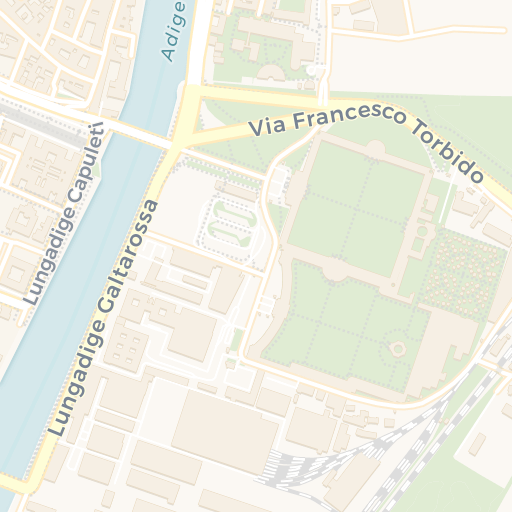
C’est à dix minutes à pied à l’ouest de la piazza delle Erbe, immédiatement à côté de Castelvecchio et de son pont : les deux vont donc naturellement ensemble.
Prévoyez dix minutes. Cherchez la signature et les ornières dans le pavage — sans elles, c’est un bel arc et guère plus.
Le site est de plain-pied et entièrement accessible.
Combiné avec Porta Borsari et Porta Leoni, il compose une promenade romaine à travers le centre qui ne coûte rien et prend environ une heure.
Accessibilité du lieu
An unenclosed street monument with no gate, no ticket desk and no closing time, which removes every barrier a building would impose: there is nothing to enter.
It is seen from the street. The arch stands in the open on Corso Cavour and reads completely from the pavement, so it can be visited without leaving a made-up surface.
The traffic is the real hazard. Corso Cavour is a busy road running past the monument, and the best angles on the arch are the ones that tempt people towards the carriageway.
Not published, and not guessed: the surface of the ground immediately around the arch, and whether the displayed Roman paving at its foot can be reached level. The Comune's page for the monument is descriptive and carries no access information.
Informations essentielles
- Type: Monument
- Entrée: Gratuit
- Réservation: Non requise — billets sur place
- Visite typique: Environ 10 minutes
- Construit: 1st century AD; demolished 1805, reassembled 1932
- Construit pour: the Gavia family
- Conçu par: Lucius Vitruvius Cerdo
- Style architectural: Romain
- A Roman building that names its architect: L. Vitruvius Cerdo, a freedman, signed the arch as its designer -- almost unheard of in Roman architecture, where buildings are credited to their patrons.
- Pulled down, kept, put back: Napoleonic troops demolished it in 1805, but the blocks were numbered and stored; it was reassembled beside Castelvecchio in 1932, near its original site rather than on it.
- Site du patrimoine mondial de l'UNESCO: Oui
Où se trouve-t-il
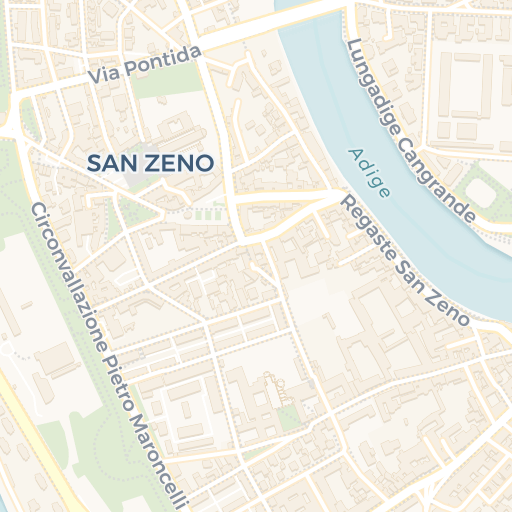
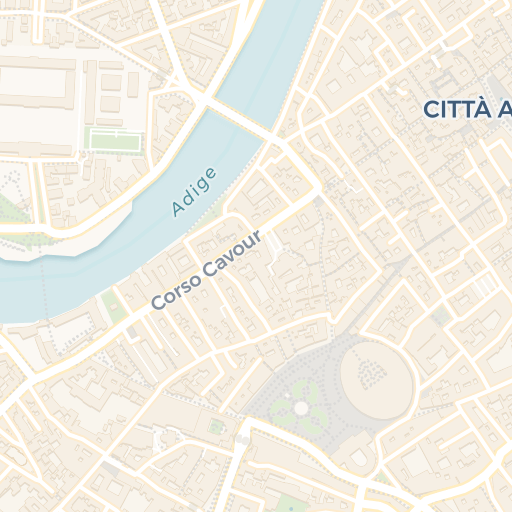
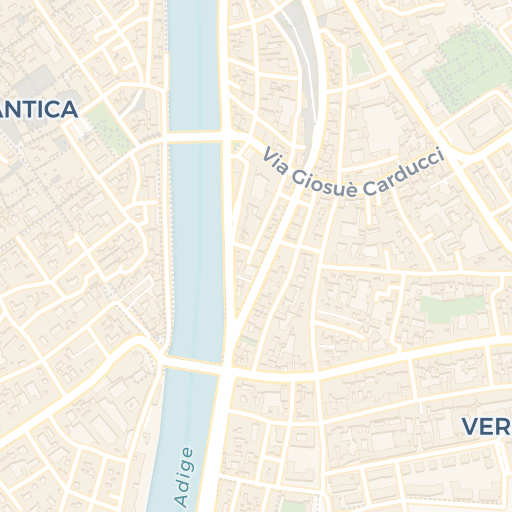
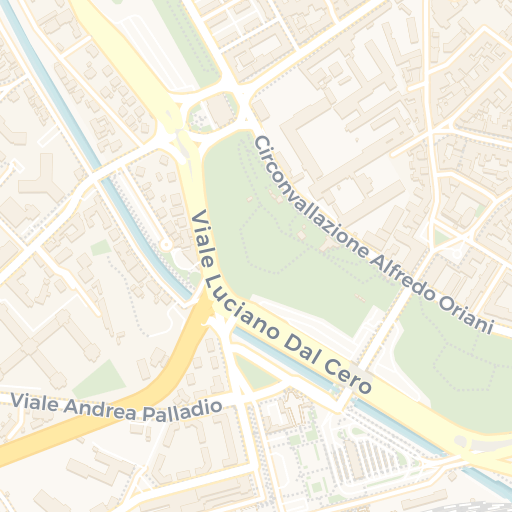
Itinéraire Ouvrir dans Apple Plans
© OpenStreetMap contributors · © CARTO · 45.44, 10.9886
Visite responsable
L’arc se dresse au bord d’une route passante. Prudence en traversant, et ne débordez pas sur la chaussée pour le photographier.
Ne montez pas sur l’arc ni sur le pavage romain exposé. Les ornières sont ce qu’il y a de plus fragile ici et de plus facile à user davantage.
Ne touchez pas les inscriptions, signature comprise — les lettres gravées sont exactement ce que les mains érodent en premier.
Visiter Castelvecchio à côté soutient le musée qui conserve une grande part du matériel romain et médiéval de Vérone, dont la statue originale de Cangrande.