

Arco dei Gavi
Last updated on November 15, 2026The Arco dei Gavi stands beside Castelvecchio in Verona, and two things about it are unusual.
First, it is a private monument. Roman arches were normally imperial; this one was raised in the first century AD by the gens Gavia, a wealthy Veronese family, for themselves.
Second, it is signed. The architect, a freedman named Lucius Vitruvius Cerdo, cut his name into it -- something very few Roman buildings anywhere carry.
What stands is also not where it stood. Napoleonic troops pulled it down in 1805; the stones were kept, and it was rebuilt here in 1932.
Challenge to visitors
The two things worth seeing are unlabelled. The architect's signature and the cart ruts in the displayed paving are what make this arch unusual, and nothing on site points at either — visitors who do not know to look see a handsome arch and move on in ninety seconds.
It is not where it stood. Napoleonic troops took the arch down in 1805; the stones were kept and it was rebuilt on this spot in 1932, which changes what you are looking at and is not obvious from in front of it.
And it stands beside a busy road. Corso Cavour carries traffic right past it, so the arch is seen and photographed with cars going by rather than in any kind of quiet.
Visiting tips and strategy
When to go
Late afternoon gives the best light on the arch and on Castelvecchio behind it.
Any season -- it stands in the open with nothing to close.
Early morning is quietest; Corso Cavour is a busy road and the arch sits beside it.
Evenings when it is lit, on the walk between the centre and Castelvecchio bridge.
Getting the good version
Look for the signature first. Lucius Vitruvius Cerdo, a freedman, cut his name into the arch — knowing that before you arrive is the difference between a two-minute stop and a monument that means something.
Then look down. The Roman paving at the foot of the arch carries wheel ruts worn into the stone, which is the most direct physical trace of Roman traffic anywhere in central Verona.
Walk it with Porta Borsari and Porta Leoni. The three together make a Roman circuit through the centre that costs nothing and takes about an hour — far better value than the arch visited alone.
Late afternoon for the light, early morning for the quiet; Castelvecchio is immediately next door and its bridge is the natural continuation.
What it costs
Nothing. The arch stands in the open on a public street with no gate, no ticket and no closing time.
The displayed Roman paving at its foot is open ground too, part of the same unenclosed site.
The Comune's own page for the monument gives it a street address — corso Cavour, 2 — and publishes no admission, no hours and no enclosure, which is what a free-standing street monument looks like in the municipal record.
Castelvecchio next door is ticketed, and that is a separate visit with its own charge.
Verified against Comune di Verona, November 2026.
Getting there and getting in
Admission: Free
Where it is
On Corso Cavour immediately beside Castelvecchio, a ten-minute walk west from Piazza delle Erbe. The Comune gives the address as corso Cavour, 2.
Hours and admission
Open ground, at all hours, free. Nothing to book or pay.
What to look for
The architect's signature cut into the stonework, and the cart ruts in the length of Roman paving displayed at the foot of the arch. Neither is labelled.
How long
Ten minutes here; about an hour if you walk it with Porta Borsari and Porta Leoni as a Roman circuit.
Place accessibility
An unenclosed street monument with no gate, no ticket desk and no closing time, which removes every barrier a building would impose: there is nothing to enter.
It is seen from the street. The arch stands in the open on Corso Cavour and reads completely from the pavement, so it can be visited without leaving a made-up surface.
The traffic is the real hazard. Corso Cavour is a busy road running past the monument, and the best angles on the arch are the ones that tempt people towards the carriageway.
Not published, and not guessed: the surface of the ground immediately around the arch, and whether the displayed Roman paving at its foot can be reached level. The Comune's page for the monument is descriptive and carries no access information.
Quick facts
- Type: Monument
- Local name: Arco dei Gavi (vedi la pagina italiana)
- Admission: Free
- Reservation: Not required — tickets on the door
- Typical visit: About 10 minutes
- Built: 1st century AD; demolished 1805, reassembled 1932
- Built for: the Gavia family
- Designed by: Lucius Vitruvius Cerdo
- Architectural style: Roman
- A Roman building that names its architect: L. Vitruvius Cerdo, a freedman, signed the arch as its designer -- almost unheard of in Roman architecture, where buildings are credited to their patrons.
- Pulled down, kept, put back: Napoleonic troops demolished it in 1805, but the blocks were numbered and stored; it was reassembled beside Castelvecchio in 1932, near its original site rather than on it.
- UNESCO World Heritage Site: Yes
Where it is
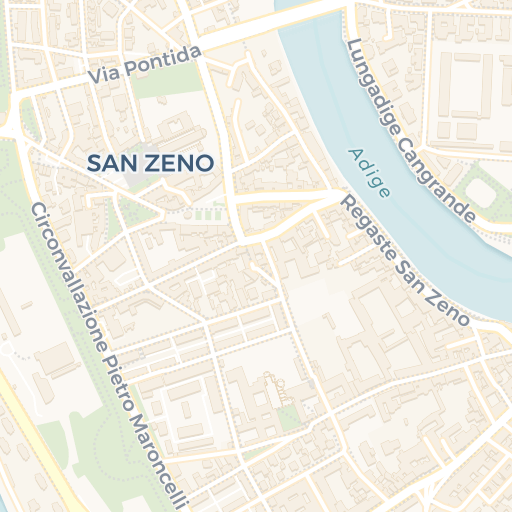
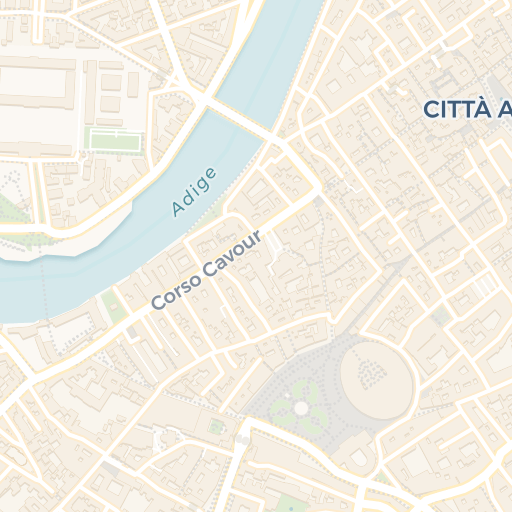
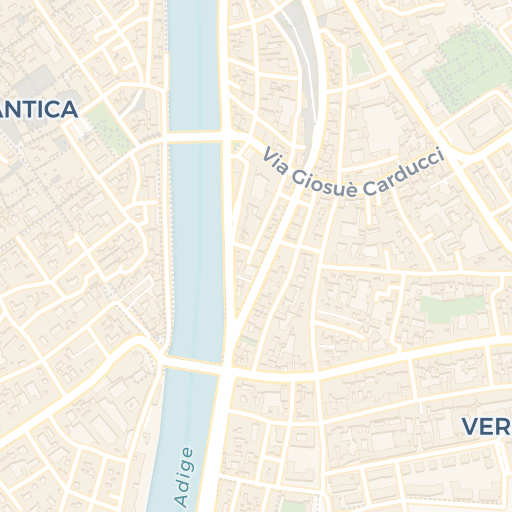
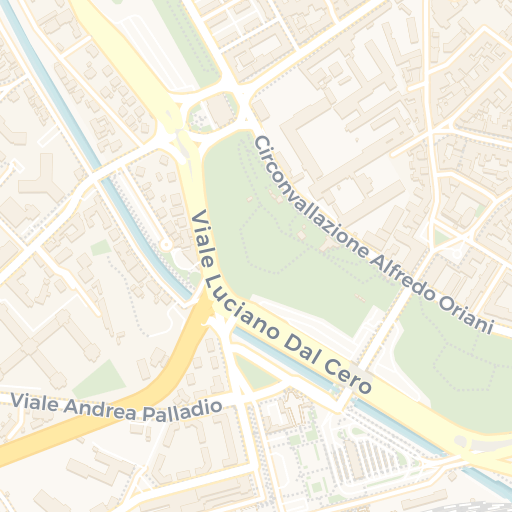
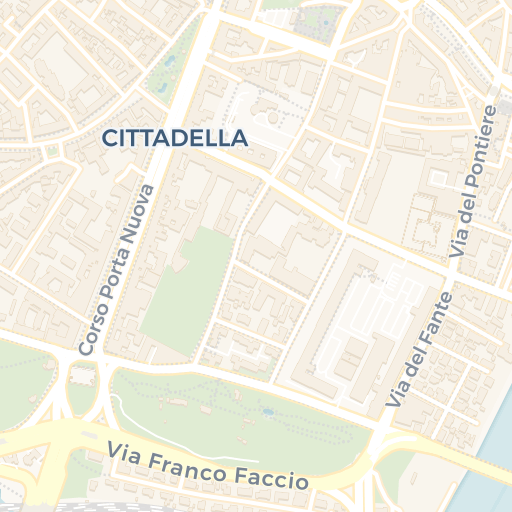
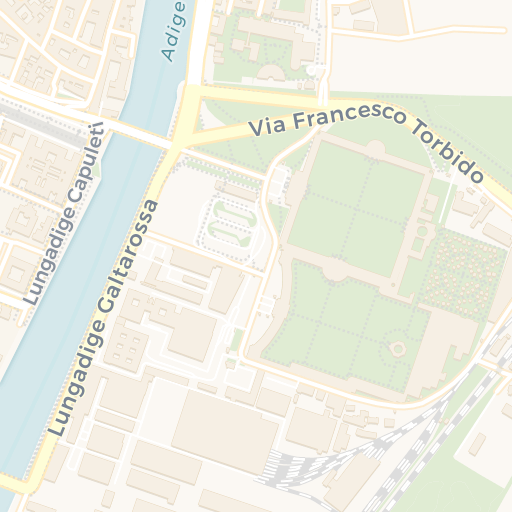
Get directions Open in Apple Maps
© OpenStreetMap contributors · © CARTO · 45.44, 10.9886
Visit responsibly
The arch stands beside a busy road. Take care crossing, and keep off the carriageway when photographing it.
Do not climb on the arch or the displayed Roman paving. The cart ruts are the most fragile thing here and the easiest to wear away further.
Do not touch the inscriptions, including the signature -- carved letters are exactly what hands erode first.
Visiting Castelvecchio alongside supports the museum that conserves much of Verona's Roman and medieval material, including Cangrande's original statue.